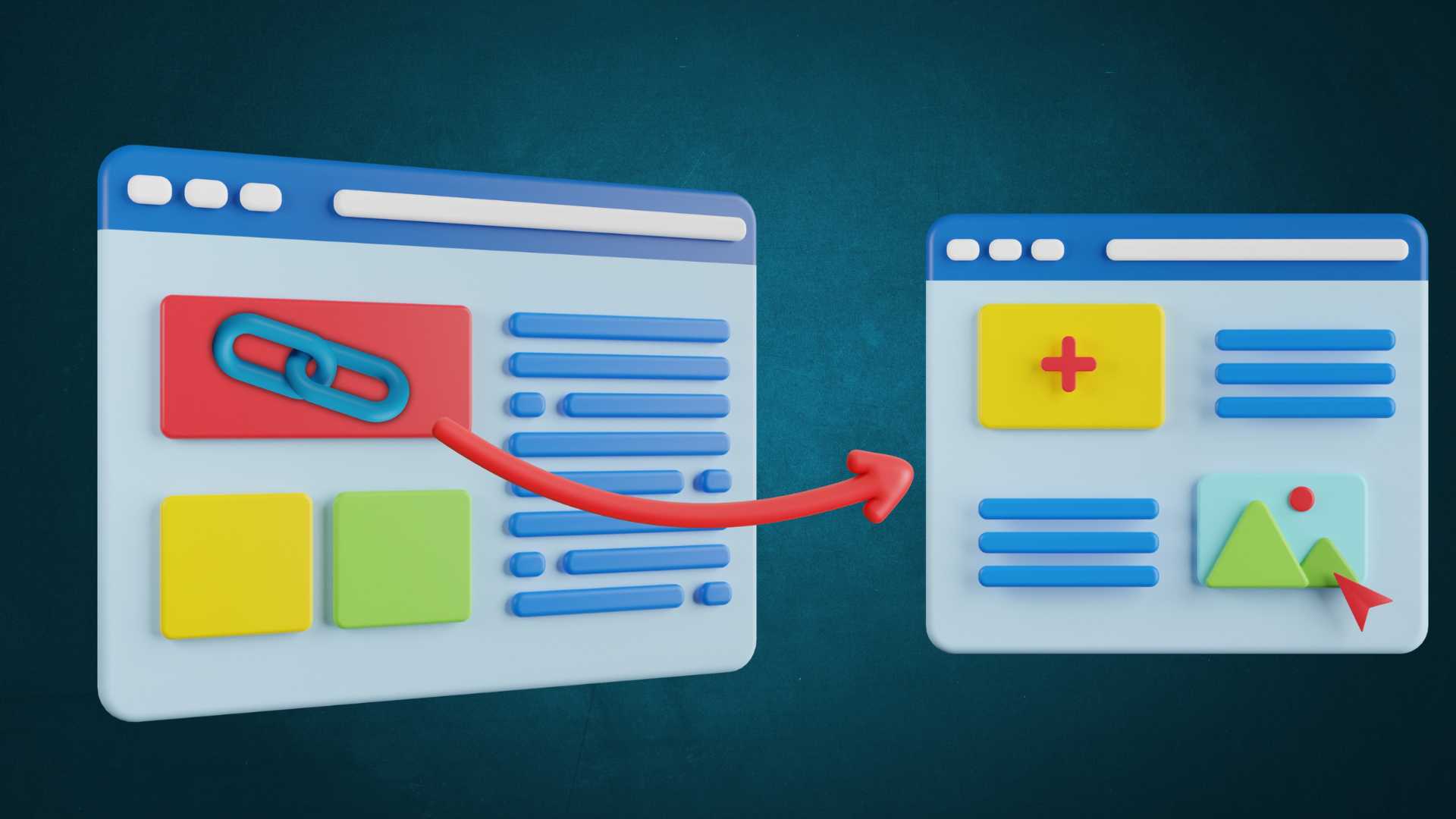
Backlinks are more than just connections between websites—they’re a trust signal for search engines. They show that others find your content valuable and credible, which can boost your rankings. But not all backlinks are created equal; quality is what makes the difference. In this post, you’ll learn why backlinks from authoritative sites matter and practical ways to earn them.
Understanding Quality Backlinks
Quality backlinks are the backbone of a strong SEO strategy. These links aren’t just about numbers—they’re about trust and relevance. When another website links to yours, it’s like a vote of confidence. But not all votes carry the same weight. Quality over quantity is the golden rule when it comes to backlinks, and here’s why.
Characteristics of Quality Backlinks
Not every backlink will help boost your rankings. What sets a quality backlink apart? It’s all about a few key factors:
- Domain Authority: Links from websites with high domain authority (DA) carry more weight. Think of domain authority as the trustworthiness score of a website, with higher scores signaling a stronger endorsement.
- Relevance: A backlink matters most when it comes from a site in the same niche or industry. For example, if you run a fitness blog, a link from a leading health magazine is far more impactful than one from a general news site.
- Context: Backlinks should fit naturally within the content. A link embedded in a meaningful blog post is more valuable than a random footer link.
- Anchor Text: The clickable text of the link (anchor text) should be relevant to the linked content. Keywords in anchor text can give search engines clues about what the linked page is about.
- Follow vs. Nofollow: “Follow” links pass SEO value, while “nofollow” links don’t directly impact rankings. Both have their purpose, but for SEO growth, follow links are the ones to prioritize.
Think of these characteristics as a checklist when assessing the value of any backlink. One great link can outweigh dozens of low-quality ones.
The Impact of Quality Backlinks on SEO
So, how do these “votes of confidence” influence your site’s SEO? The answer lies in how search engines interpret and prioritize them.
- Higher Search Rankings: Quality backlinks signal to Google that your content is valuable and credible. This can push your site higher in the search results.
- Improved Domain Authority: As your website earns backlinks from reputable domains, your site’s authority grows. This helps all of your pages rank better, not just the one receiving the link.
- Increased Organic Traffic: The more visible your site becomes in search results, the more likely users are to discover your content. Plus, links from high-traffic sites can send direct referral traffic your way.
- Faster Indexing: When search engines crawl authoritative sites that link to your website, they’re more likely to index your pages quicker.
Simply put, quality backlinks are like a stamp of approval that tells search engines, “This site is worth showing to users.” Clean, relevant, and natural links build trust—and trust builds rankings.
Why Quality Backlinks Matter
Backlinks play an essential role in SEO, but their value isn’t just in numbers—it’s in their quality. Search engines use backlinks to measure a website’s trustworthiness, authority, and relevance. A high-quality backlink sends a powerful signal to search engines that your content is worth recommending. Let’s break down why these links matter so much.
Boosting Search Engine Rankings
Backlinks are like votes in a popularity contest, but it’s not just about the number—it’s about who’s voting. Search engines, especially Google, view backlinks as endorsements. When credible sites link to yours, it tells Google that your content is trustworthy and valuable.
Here’s how backlinks influence your rankings:
- Relevance: Links from related websites signal that your content fits the topic at hand. For example, a backlink from a leading tech blog to your gadget-review site carries weight because it’s contextually relevant.
- Authority: Backlinks from high-authority websites, such as government or industry-leading sites, push you up in search engine results pages (SERPs). They enhance your credibility in the eyes of search engines.
- Diversity: A varied backlink profile—with links from blogs, news sites, forums, and more—shows Google your site has widespread approval.
When your site accumulates strong, relevant backlinks, search engines take notice, rewarding you with a higher placement in SERPs.
Increasing Website Authority
Your website’s authority is like your online reputation—high authority means a greater chance of being trusted by users and search engines alike. Backlinks are one of the most significant metrics used to evaluate this.
Why does authority matter?
- Domain Authority (DA): Backlinks from sites with a high DA score directly boost your own. Think of it like borrowing credibility from an industry leader.
- Trust Signals: Google relies on links from reputable sources to weed out low-quality content. If trusted websites vouch for you, Google does too.
- Content Ecosystem: Being linked to by credible websites positions your site as a leader in its niche, which draws in more opportunities and partnerships.
Remember, not all backlinks have the same value. A link from a well-respected industry website may be more impactful than several from low-quality or irrelevant sites.
Driving Referral Traffic
Aside from SEO benefits, backlinks provide a direct pathway for users to discover your site. When someone clicks on a backlink to your page, that’s considered referral traffic—and it can be a highly engaged audience.
Here’s why referral traffic is a big deal:
- Qualified Visitors: Backlinks from niche-relevant websites send visitors already interested in your topic or services.
- Higher Engagement: Visitors who arrive via backlinks are more likely to spend time on your site, explore other pages, or even convert into customers.
- Supplemental Traffic: Instead of relying solely on search engines, referral traffic helps diversify where your visitors come from, reducing dependency on any single source.
Think of backlinks as bridges connecting audiences from one site to yours. Stronger, more targeted bridges mean better, more relevant visitors.
Building Brand Awareness and Credibility
Backlinks don’t just enhance SEO—they boost your brand’s visibility and reputation. When well-respected sites link to your content, it puts your business in front of their audience.
How exactly does this help?
- Increased Visibility: A backlink from a popular website introduces your brand to new audiences who might not have found you otherwise.
- Trust by Association: Being linked to by trusted brands enhances how others perceive your business. It signals that your content meets a certain standard.
- Thought Leadership: Consistently earning backlinks from reputable sources positions your site as a go-to resource in your field.
Backlinks are more than just technical SEO tools; they’re trust-building mechanisms. Each high-quality link amplifies your brand’s reputation and tells users, “This is a source worth trusting.”
Strategies for Acquiring Quality Backlinks
Building quality backlinks isn’t about shortcuts; it’s about understanding what makes a link valuable and putting in the work. The best strategies focus on creating meaningful connections, offering value, and staying consistent. Let’s break down actionable ways you can start securing high-quality backlinks today.
Creating High-Quality Content
Content is the backbone of any successful backlink strategy. Why would someone link to a page that doesn’t provide value? Creating standout content gives others a reason to reference your work.
- Focus on original insights, detailed guides, and in-depth research that solve real problems.
- Use visuals like infographics, which often attract backlinks because they’re easy to share.
- Publish listicles or “how-to” articles—they’re practical and often bookmarked.
When your content is engaging and valuable, other sites will naturally want to link back to it.
Guest Blogging and Collaborations
Guest blogging isn’t dead—it’s just better when done right. It’s a win-win: you provide content, and they provide a backlink.
- Identify blogs or websites in your niche with strong domain authority.
- Pitch relevant, well-researched topics tailored to their audience.
- Include natural, contextual backlinks to your site.
Collaborations can extend beyond guest posts. Co-create content with like-minded brands or niche influencers to share audiences and backlinks.
Utilizing Social Media for Link Building
Social media isn’t just for likes and shares—it’s also a powerful tool for link building. When you consistently share valuable content, it increases the chances of being noticed and linked.
- Share blog posts, guides, and infographics to make your work more discoverable.
- Use platforms like Twitter or LinkedInto connect with industry professionals who may link to your content.
- Don’t forget to engage—comments and replies can spark meaningful connections.
Social proof on platforms often translates into credibility, increasing the likelihood of getting linked.
Building Relationships with Influencers
Influencers aren’t just for selling products—they can also link back to your site or recommend your work in their circles. Networking with them can unlock high-authority backlinks.
Here’s how to start:
- Reach out via email or LinkedIn with a value-driven message.
- Share their content or feature them in your blog (this encourages reciprocation).
- Offer something in return, like exclusive data or joint webinars.
Building relationships takes time, but once trust is established, you’ll open doors for consistent backlinks from authoritative sources.
Monitoring and Assessing Your Backlink Profile
Tracking your backlink profile helps you understand what’s working and what’s not. Knowing your strengths and weaknesses allows you to improve your strategy effectively.
Use tools like:
- Ahrefsor SEMrush: Analyze existing backlinks and identify new opportunities.
- Google Search Console: See which sites are linking to yours and monitor for spammy links.
- Moz Link Explorer: Dive deeper into metrics like Domain Authority and “toxicity” scores.
Regular assessment ensures your backlink profile remains healthy. Disavow harmful links, nurture relationships with linking domains, and identify gaps you can address.
Common Mistakes to Avoid in Backlink Building
Building quality backlinks is essential, but it’s surprisingly easy to sabotage your strategy by making avoidable mistakes. Missteps in backlink building can harm your SEO, reduce your site’s trustworthiness, and even lead to penalties from search engines. Let’s break down some common pitfalls and how to avoid them.
Focusing on Quantity Over Quality
Many believe that accumulating a large number of backlinks guarantees better SEO rankings. This is far from true. When you prioritize quantity over quality, you risk damaging your site’s credibility.
Low-quality backlinks often come from unreliable sources, such as spammy directories or irrelevant websites. These links don’t contribute to your site’s authority—they can even lead to penalties if search engines suspect manipulative tactics. Think of it this way: one recommendation from a trusted expert is far more valuable than 100 anonymous shoutouts from questionable sources.
Instead of chasing numbers, focus on securing links from high-authority and relevant websites. A few quality backlinks can significantly boost your SEO performance and user trust.
Neglecting Niche Relevance
Backlinks are most valuable when they come from sources that are relevant to your niche. Yet, many overlook this crucial factor, striving for backlinks from any website rather than the right ones.
Why does niche relevance matter? Picture a fitness blogger receiving a backlink from a cooking site. The connection feels forced, and search engines notice this mismatch too. Irrelevant backlinks send mixed signals about your site’s focus and can dilute its authority.
Ensure that your backlinks come from sources that align with your industry or topic. For example, if you’re in tech, aim for backlinks from technology blogs, review sites, or industry publications.
Ignoring Backlink Audits
Building backlinks is not a one-and-done strategy. Your backlink profile needs regular maintenance to remain effective and avoid penalties. Neglecting to audit your backlinks is like never checking the foundation of your house—it can lead to problems you won’t see coming.
Some toxic links might sneak into your profile over time. These could include links from spam sites, irrelevant content farms, or penalized domains. Left unchecked, they can hurt your SEO and decrease your site’s authority.
Run regular backlink audits using tools like Google Search Console, Ahrefs, or SEMrush. Look for and disavow harmful links, keep your profile clean, and ensure your efforts remain aligned with SEO best practices. Backlink building is an ongoing process, and keeping it healthy requires vigilance.
Conclusion
Quality backlinks are a cornerstone of successful SEO. They demonstrate trust, enhance authority, and drive organic traffic—benefits no digital strategy can afford to overlook.
By creating exceptional content, building genuine relationships, and staying consistent with your efforts, you can establish a solid backlink profile. Avoid shortcuts and always prioritize relevance and authority.
Start focusing on quality backlinks today and position your website for growth. What’s your next step for earning better links?