Top Signs Your AI Marketing Needs More Human Touch
Top Signs Your AI Marketing Needs More Human Touch | Seoperform
Key Takeaways
- AI marketing improves speed, scale, and efficiency, but human judgment remains essential for empathy, context, and cultural sensitivity.
- Generic messaging, repeated templates, inconsistent brand voice, and shallow personalization are clear signs that campaigns need a more genuine human touch.
- Declining click-through rates, rising bounce rates, and negative customer feedback can reveal when automated messages are losing relevance or trust.
- Human review should guide brand voice, storytelling, personalization, sensitive content, and AI decisioning before campaigns reach customers.
- The strongest AI marketing strategies use technology for efficiency while keeping people responsible for creativity, approval, empathy, and final decisions.
Top Signs Your AI Marketing Needs More Human Touch
AI marketing can send emails at the perfect time. It can suggest products and respond to customers day or night. But AI marketing still needs human judgment when messages require empathy or context.
People notice when messages feel canned or out of touch. Automation shapes the customer experience, affecting how people perceive your brand, while authentic human connections build trust and loyalty. In this post, you’ll spot the top signs your marketing strategy and marketing campaigns need a more genuine voice.
Lack of Emotional Resonance in AI Marketing
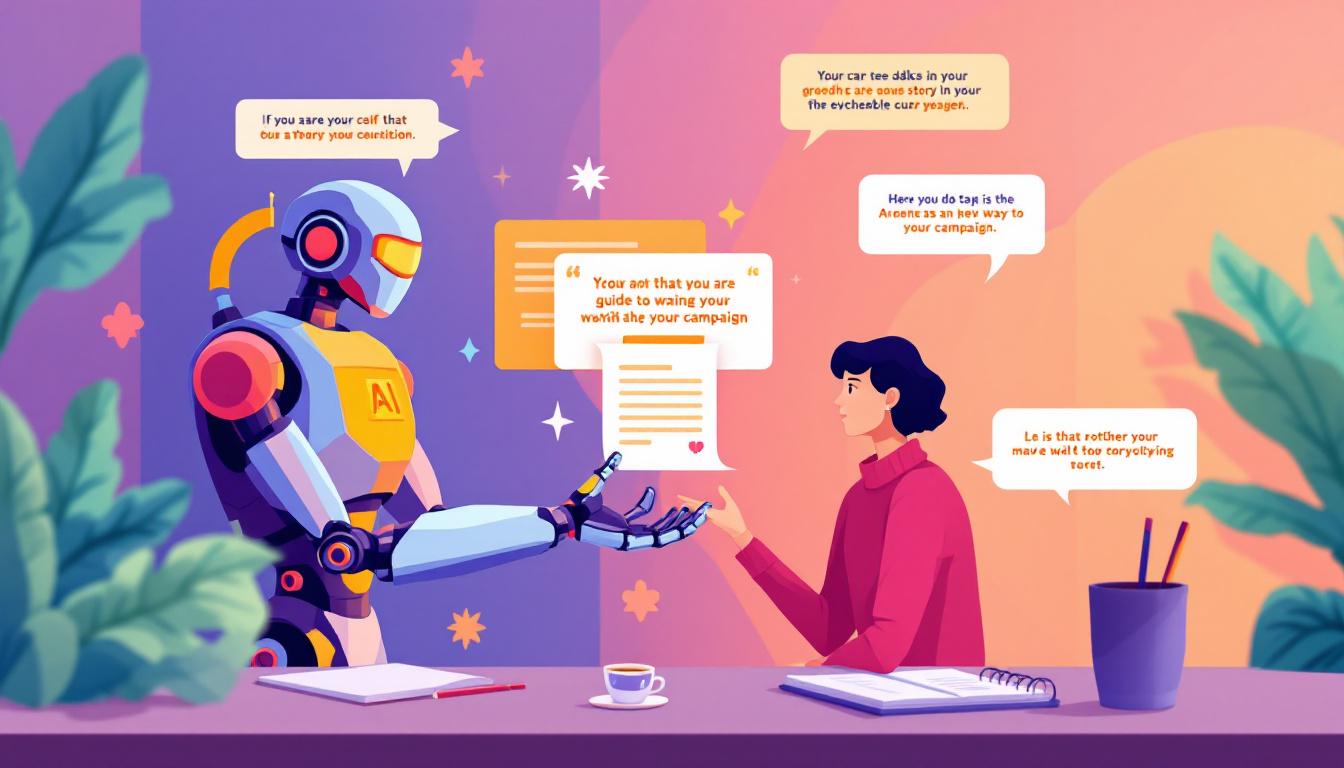 AI marketing can organize and automate campaigns with precision, but it may miss the emotional context behind a message. AI decisioning often optimizes for clicks, conversions, or efficiency without recognizing how people feel. When campaigns lack human warmth, the results can feel hollow and disconnected. People want to see themselves in your story and trust your voice. Watch for these common pitfalls to spot when your message needs a stronger human hand.
Absence of Storytelling
Stories stick with us. They spark feelings, help us remember details, and turn content into something more than noise. Yet, generative AI in content creation can sometimes skip the heart and simply list features or facts. Human storytellers must supply the character, tension, and empathy that make a message meaningful. Does your latest ad lack a real journey or skip past any characters you can root for? If so, the message likely falls flat.
Signs that storytelling is missing:
- No clear main character or protagonist, sometimes even your customer.
- Absent conflict, problem, or moment of tension to solve.
- Flat structure, starting and ending without any arc or emotional shift.
Even natural language processing can make automated language sound fluent while leaving it emotionally flat. Without structure and feeling, a story isn’t really being told. Reference campaigns you love. What did they make you feel? Was there a challenge or conflict? Did you see someone like yourself reflected in the message? When these elements are missing, it’s time to add the human touch back in.
Looking deeper at this topic, balancing efficiency with authentic storytelling is an art. For more detail on how brands can keep storytelling alive while using AI, see this resource on balancing AI content with authentic storytelling.
Inconsistent Brand Voice
A consistent brand voice feels like coming home. It’s familiar, warm, and reliable. But systems can slip out of character, changing tone from post to post. One day, your brand is playful; the next, it’s stiff or overly formal. This tone drift confuses readers and makes the brand feel less trustworthy.
Common markers of inconsistency:
- Shifts from casual to corporate tone mid-campaign.
- Sudden changes in humor, warmth, or energy.
- Unfamiliar language or slang that feels out of place.
A documented brand context layer gives systems reference material for approved tone, audience expectations, and vocabulary. Keeping your brand voice steady is key to building trust. AI tools can speed up content creation, yet they may struggle to reflect your brand’s unique personality. Real people still need to review changes, refine the tone, and provide examples to follow.
If you catch yourself asking, “Does this sound like us?” or if your customers mention your posts feel off, these are clear signs. Explore expert advice on maintaining brand voice when using AI with this detailed guide on preserving brand voice and narrative integrity with generative AI.
Taking time to review tone before publishing helps ensure your message doesn’t send mixed signals. Treat content optimization as a human-informed refinement process, not just an automated score. Consistency and editorial discernment will always outperform a mismatched, robotic voice.
Overly Generic or Repetitive Messaging
When relying on AI marketing tools, it’s easy to slip into patterns that save time but sap your message of its punch. Automation helps get content out fast, yet when every campaign starts to sound the same, readers tune out. Effective marketing is more than just getting your message in front of people; it’s about delivering something memorable that feels made just for them. Let’s break down the signs of template fatigue and weak personalization so you can spot when your messaging needs a stronger human touch.
Template Fatigue: Identify signs like repeated phrases or identical layouts across campaigns

Template fatigue hits when marketing automation systems recycle too many of the same ideas, layouts, or catchphrases. Machine learning models may repeat high-performing phrases or designs too often. Readers start to notice the patterns, and soon, even an eye-catching design won’t make up for a message that feels worn out.
Clear warning signs of template fatigue include:
- Repeated subject lines or greetings in email marketing and ads.
- Identical calls-to-action that echo from one campaign to the next.
- Layouts that rarely change, making your messages feel predictable.
- Product descriptions that swap only one or two words but otherwise repeat the same phrases.
As your audience scrolls past yet another similar email or ad, their interest drops. Think of it like getting the same birthday card year after year; the first time, it’s thoughtful, but by the third, it’s forgettable. To keep engagement high, refresh your message often and rewrite templates to fit the occasion.
Tactics like A/B testing creative elements, rotating copy, and building in seasonal references help break up monotony. AI tools can support content optimization when testing creates meaningful variation instead of repeating the highest-performing template. For actionable tips on how to combat ad fatigue and inject more life into your AI-driven outreach, read about creative templates that prevent ad fatigue on LinkedIn.
Weak Personalization: Show how AI may miss deep personal data, resulting in surface-level customization
On the surface, AI marketing excels at using names, recent purchases, or browsing habits to create a sense of personalization. However, customer data may show clicks and purchases without revealing deeper intent. When personalization is only skin deep, your audience can spot it a mile away.
Common traits of weak personalization:
- First names used automatically, but with generic content underneath.
- Product recommendations based solely on past clicks through limited AI decisioning, rather than actual interests or needs.
- Birthday or holiday greetings that feel like calendar notifications rather than thoughtful messages.
A single click rarely explains someone’s full customer journey or current needs. Broad audience segmentation can also group people together without reflecting their individual circumstances. This sort of customization looks good on paper, but it doesn’t always create real connections.
Genuine personalization digs into a person’s interests, values, or life stage. Imagine getting a note that recalls your favorite vacation spot or references an important milestone. That’s the moment your brand becomes unforgettable.
AI can support personalization at scale, but human insight must guide the rules. A Composable CDP may help unify relevant signals before personalization, yet better infrastructure cannot replace thoughtful interpretation.
Human review should also challenge AI decisioning before recommendations reach customers. People can interpret subtle cues, recent events, and unique preferences in meaningful ways. Combining those insights with automated efficiency helps raise your AI marketing from basic to memorable.
For practical advice on choosing tools that improve AI-driven personalization, review these top AI personalization tools for better growth and engagement. These resources can help ensure your outreach goes beyond the basics, helping your brand stand out in a crowded inbox.
Declining Engagement Metrics
Marketing automation can distribute tailored emails, recommendations, and replies efficiently. However, workflow automation still needs human review and clear escalation paths. AI marketing works in the background, yet even the best system can stumble if people start tuning out. You may spot this first when engagement numbers drop, with less clicking, shorter visits, or more complaints. These numbers are early warning signs that your message feels too much like a machine and not enough like you. Let’s break down what to watch with click-through rates, bounce rates, and feedback tone.
Low Click‑Through Rates: Describe how CTR drops signal a loss of interest, prompting a human review

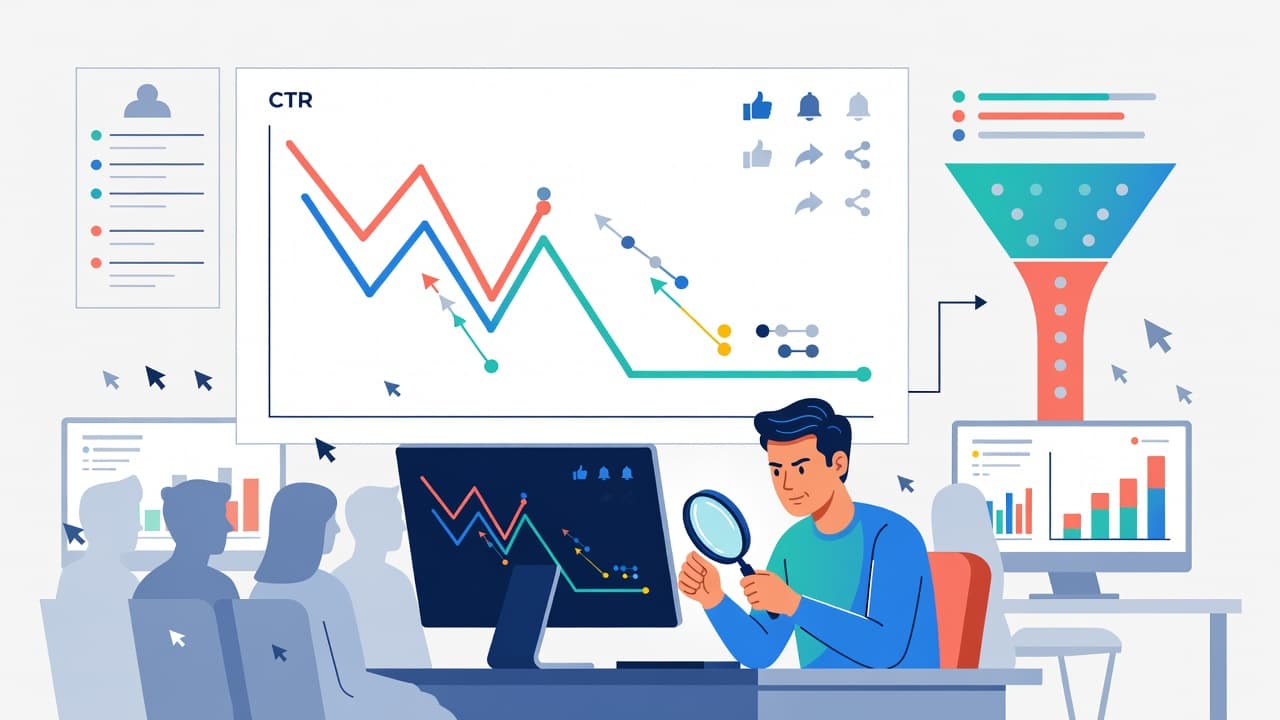
Click-through rate (CTR) shows the percentage of people who click your ad, email, or link after seeing it. When CTR drops and stays low, it’s a red flag for marketers. The message may no longer catch attention or feel relevant.
Predictive analytics can reveal declining engagement patterns across your channels. It can’t explain why your audience feels disconnected.
What can cause these drops?
- Recycled subject lines or generic headlines
- Calls-to-action that no longer excite
- Content that feels predictable or templated
A dip in CTR is more than just a number change. It’s the audience telling you your AI marketing efforts are starting to blend into the background. AI decisioning may have repeatedly selected similar subject lines, offers, or audiences. A quick human review can spot where messages lost their spark or failed to match the moment. For more data on how CTR reflects engagement, visit this list of customer engagement metrics every marketer should know.
Compare CTR across email, paid, and social marketing campaigns. If the metric falls across several channels, pause and ask whether your campaign feels unique or simply automated. Small human changes, such as rewriting an email opener or updating an image, can reverse the slide.
High Bounce Rates: Explain that visitors leaving quickly suggests the message missed the mark
 High bounce rates mean visitors land on your page and quickly leave without clicking further. This often follows messages that promise too much and deliver too little, or headlines that feel robotic and disconnected.
Why do people bounce?
- The content isn’t what they expected from the ad or link.
- Pages feel generic or lack a personal connection.
- The user experience is poor or overly automated.
A mismatch between an ad and landing page damages the customer experience immediately. AI decisioning may choose landing-page content or recommendations that improve a metric while ignoring user intent.
When bounce rates rise after adding more automation, question whether the message truly matches your audience. If the first impression feels stiff or generic, most people won’t stick around.
Check your landing pages with a fresh set of human eyes. Is the message clear and welcoming? Does it sound like something you, not a bot, would actually say? Fixing a few awkward sentences can encourage visitors to stay longer and consider your offer. For an overview of more engagement metrics you should monitor, refer to this guide on key customer engagement metrics.
Negative Sentiment in Feedback: Encourage checking reviews or social mentions for tone that feels off or robotic
 Numbers don’t tell the whole story. Sometimes the problem appears directly in customer responses. If reviews or social mentions sound cold, or people say your AI marketing feels robotic, you have clear evidence that your approach is slipping out of touch.
Watch for these clues:
- Comments that call out “canned responses”
- Reviews saying your message feels scripted or “like a chatbot”
- Social posts with negative emojis, sarcasm, or disappointment
Tone matters as much as statistics. When feedback turns negative, the campaign has lost its human spark. AI agents may reply too quickly with copy-and-paste answers or miss the nuance of a customer’s question.
Jumping in with real people, even just to say “We hear you” or share a personal story, can quickly shift the mood. The key is balance: use AI marketing to improve efficiency, but always add honest human review. Trust and engagement support marketing ROI alongside short-term efficiency metrics. For expert tips on measuring and boosting engagement through customer sentiment, check out these customer engagement insights.
By reading between the lines and listening to your audience, you’ll know when to reach out and bring the human touch back into your AI marketing.
Missed Cultural Nuances and Context in AI Marketing
AI marketing promises speed and scale, but campaigns can still hit speed bumps when technology misses subtle details. Without enough human review, brands risk appearing out of touch or insensitive. Let’s explore how AI can misread trends or local customs, and what happens when content hits the wrong note.
Misreading Trends: Show examples where AI used outdated memes or ignored emerging topics
AI models learn from information collected across the internet, but they can’t always tell yesterday’s joke from today’s trending topic. Generative AI may reflect outdated source material, while machine learning models trained on historical patterns can miss fast-moving cultural shifts.
For example:
- A hypothetical financial services brand might post a “Keep Calm and Carry On” meme long after the trend has faded, drawing eye rolls from younger audiences.
- An AI-powered content scheduler could recommend a viral dance challenge months after public interest peaked, making the campaign look like it is chasing the bandwagon.
- A brand might publish generic “Monday Motivation” content when the real conversation centers on a pressing social or global event.
These slip-ups happen because AI lacks human instinct for timing. AI decisioning may prioritize a familiar meme, hashtag, or message without recognizing that its moment has passed. Agentic AI can take several marketing actions in sequence, but it still needs current cultural checks before publishing.
In a world where public moods can shift by the hour, marketers must read between the lines, sense what is current, and know which moments to avoid. To see how relying solely on AI can lead to similar blunders, take a look at Common AI Mistakes in B2B Marketing Execution for cautionary tales.
Insensitive or Off‑Brand Content: Detail how the lack of human awareness can cause tone‑deaf posts, requiring human correction
 A young woman in a dimly lit home office smugly posts an insensitive social media update about a global tragedy, unaware of the angry backlash flooding her screen.
No algorithm matches human intuition for context or cultural sensitivity. AI cannot feel the impact of its words, so it can miss important social cues. The fallout may range from mild confusion to serious backlash. Brands then scramble to clarify their intentions, apologize, or delete posts entirely.
Some issues that pop up:
- AI-generated posts that reference holidays, slang, or cultural icons out of context, such as mentioning pork products during Ramadan.
- Automated replies to sensitive customer questions that sound cold or scripted, missing the emotion behind the query.
- Stereotypical imagery or phrasing that reinforces clichés, making a brand appear tone-deaf to diversity or local traditions.
For instance, a hypothetical international campaign might use a Western-centric reference that fails to resonate elsewhere. Public criticism could follow, along with reduced trust. Similar problems occur when AI misunderstands slang or creates jokes that do not translate well.
Customer data can support localization, but demographic or behavioral information cannot replace local knowledge. Teams must also handle sensitive identity, location, and cultural information responsibly, with data privacy in mind. These safeguards strengthen the customer experience by helping people feel respected rather than categorized.
Global personalization at scale still requires regional review and human context. Teams that monitor trends and local conversations can quickly spot when wording, tone, or imagery needs correction.
For more on the human role in preventing marketing mishaps, explore When AI Isn’t Enough: the Role of Humans In Marketing. If you want to learn how to address cultural sensitivity with your own AI-powered marketing, check this in-depth post about the importance of cultural sensitivity in AI-powered personalized marketing.
When brands add a human layer to AI marketing, the messaging shifts from robotic to real. Human reviewers should be able to pause or override AI decisioning involving sensitive events, humor, imagery, or cultural references. The smartest AI marketing teams treat automation as a tool, not a replacement for instinct and empathy.
Frequently Asked Questions
What are the main signs that AI marketing needs more human input?
Generic or repetitive messaging, inconsistent brand voice, declining engagement, and negative feedback are common warning signs. Missed cultural nuances or insensitive content also show that automated systems need closer human review.
Can AI marketing create authentic and personalized content?
AI can support personalization by using customer data, browsing behavior, and purchase history. However, human insight is needed to understand deeper intent, emotional context, and individual circumstances.
How can marketers keep an AI-generated brand voice consistent?
Create a documented brand context layer with approved tone, vocabulary, audience expectations, and examples. Human reviewers should check and refine content before publishing to prevent tone drift and mismatched language.
Which engagement metrics can reveal that automated marketing is falling flat?
Low click-through rates, high bounce rates, shorter visits, and negative sentiment in reviews or social mentions can indicate a loss of interest or trust. These metrics should prompt a human review of the message, offer, landing page, and customer experience.
How should companies use human-in-the-loop AI marketing?
Use AI for bounded, reversible tasks such as drafting, testing, organizing data, and identifying performance changes. Require human approval for sensitive content, cultural references, customer-facing decisions, and any action that could affect brand trust.
Conclusion
AI marketing shines brightest when paired with human creativity and intuition. Signs like generic messages, missed cultural cues, or slipping engagement all point to the same need: people crave real connections, not canned replies.
Balancing smart automation with mindful editing keeps your brand genuine and trusted. Review search engine optimization and content optimization with performance data and editorial judgment. Measure marketing ROI through trust, retention, and sustainable returns, not clicks alone.
Tools for Human-in-the-Loop AI Marketing
Practical AI tools can support personalization at scale without removing human judgment. Look for content and brand-governance tools with approval stages, plus a CRM or Composable CDP that organizes customer data.
Campaign and email platforms should offer role-based review. Analytics tools can surface sentiment and performance changes. Project or approval systems should route sensitive outputs to a human.
Choose systems with transparent logs and configurable rules for AI decisioning. AI agents and agentic AI should remain limited to bounded, reversible tasks. Consequential decisions should require human approval when AI decisioning could affect customers or brand trust.
Take time today to review your campaigns with fresh eyes. Bring empathy and personal detail back where it matters. The most memorable brands let technology work in the background while people shape the voice out front.
Thank you for reading. If you’ve noticed these signs in your own marketing, now is the perfect moment to restore balance and bring in more of what only humans can do. Start with an audit of approvals, tone, cultural review, and engagement signals, then make one thoughtful improvement.