PPC Campaign Optimization for Maximum ROI
Squeezing more value from every PPC dollar is now more possible than ever. With PPC campaign optimization, marketers move beyond guesswork to use the latest AI-driven insights, smart automation, and data-led strategies. These tools help you adjust bids, craft sharper messaging, and target the right audience at just the right moment.
In 2025, ad platforms grow smarter, but so does the competition. Staying ahead means learning how to embrace automation without losing control, and fine-tuning every element until your campaigns turn higher clicks into real results. To see how trends like voice search and smarter bidding are reshaping paid ads, dig into expert tactics for better Freelance PPC service and discover what makes optimization the key to long-term ROI.
The Foundations of PPC Campaign Optimization
PPC campaign optimization isn’t just tweaking ads for more clicks—it’s a cycle of small, smart changes that add up to real growth. The biggest returns come from working with data, first-party insights, and automation. When you track the right details, spot patterns fast, and adjust on the fly, your PPC budget works harder than ever. Continuous testing and learning keep your campaigns sharp, especially as privacy rules and automation reshape targeting.
Key Metrics for Campaign Performance
Every PPC strategy relies on clear, actionable numbers to separate what works from what drains your wallet. These KPIs work like dials on a dashboard, showing if you’re headed for profit or off track.
- Click-Through Rate (CTR): This measures how often people click your ads after seeing them. A strong CTR points to effective messaging and creativity.
- Cost Per Acquisition (CPA): CPA shows what you spend to win a conversion, like a sale or signup. Lowering your CPA means your spend brings in more value.
- Return on Ad Spend (ROAS): ROAS tells you, for every dollar spent, how much you get back in revenue. Keep this number in focus—high ROAS means efficient spending.
- Conversion Rate: Measures the percentage of clicks that turn into actual results, whether it’s a download, sale, or lead.
Tracking these metrics keeps your strategy focused. For example:
- If your CTR is dropping, your ads might be missing the mark.
- High CPA may signal that you need sharper targeting or updated ad copy.
- Improving ROAS often comes down to choosing the right keywords and nurturing the conversion funnel.
- Monitoring conversion rate gives direct feedback on landing page quality and relevance.
Work with these numbers daily, and you’ll find small adjustments deliver outsized results. Want to look deeper into how other trends like voice search play with these metrics? Check our guide on Voice Search Optimization Strategies.
Setting Your Objectives and Audiences
A campaign without a clear goal is like setting out on a road trip without a destination. Before spending a dollar, define what winning looks like—do you want leads, sales, app installs, or simply more awareness?
Effective objective-setting looks like this:
- Tie each campaign to a specific result: lead form fills, product purchases, or event signups.
- Make every goal measurable. Use real numbers and timeframes, like “Get 50 signups in 30 days.”
- Stay realistic with targets, factoring in past performance and channel potential.
Audience segmentation takes this one step further. The best results come when you break your audience into meaningful groups—think existing customers, new prospects, high-value segments, or users with specific behaviors. This is where first-party data becomes your secret weapon. Tap into your CRM, email lists, or website analytics to shape your targets. As third-party tracking fades, these home-grown insights will only get stronger.
- Use retargeting to reach people who almost converted.
- Build lookalike audiences from your best customers.
- Combine demographic filters with online behaviors for sharper reach.
When you sync clear goals with targeted segments, you cut waste and grow results. If you’re exploring ways to align campaign goals with strong audience targeting, the approach to setting clear objectives can illuminate new paths.
Advanced Google Ads Optimization Strategies for 2025
Staying on top with PPC campaign optimization in 2025 means pushing past the basics. Tighter budgets and tougher competition make it more important than ever to squeeze every drop of value from your Google Ads. This year, the biggest wins come from using automation and AI to your advantage, building smart account structures, and investing in ad formats and messaging that connect. Here’s how to transform your approach and own your performance.
Harnessing AI and Automation in Google Ads
Modern PPC hinges on speed and decision-making. Google’s AI and automated tools can now spot trends, predict outcomes, and shift strategies in seconds. Instead of guessing, let machine-driven actions maximize your results in real time.
Smart Bidding:
Set your campaign goals, then let Google’s machine learning optimize your bids toward conversions, not just clicks. Smart Bidding strategies like Target CPA or Target ROAS consider hundreds of signals—device, time, location, audience, and more—each time your ad competes in an auction.
Automated Rules:
These rules run your accounts like clockwork. Pause underperforming ads automatically, raise bids when budgets allow, or activate promotions at the right moment without lifting a finger.
Predictive Analytics:
AI tools sift through massive amounts of past and real-time data, spotting patterns human eyes miss. This means you can forecast spend, see conversion drops ahead of time, and respond immediately to market shifts.
If you want to see how optimizing for new user behaviors, like conversational and hands-free searches, fits with automation, check out these Voice search optimization tips.
Building a High-Performance Account Structure
Winning PPC campaigns begin with account structure. Organize for clarity, relevance, and control so your budgets never bleed and your targeting always hits.
Single Theme Ad Groups (STAGs):
Keep each ad group focused on a single keyword theme. This tight approach means your ads and keywords closely match, improving Quality Score and lowering costs.
Campaign Types:
Use all the campaign tools available. Combine Performance Max (for broad reach and automation) with tailored Standard Search and Display campaigns to balance machine learning with your strategic control. Performance Max gives you better coverage and can find conversions in places standard campaigns miss.
Ad Group Segmentation:
Segment by intent and funnel stage. Create separate ad groups for branded, non-branded, and competitor searches so each message speaks directly to the mindset of your audience.
Best practices for a strong structure:
- Name campaigns clearly for easy tracking.
- Align budgets with goals, not just by channel.
- Use negative keywords to block poor matches.
- Regularly review your structure for wasted spend and outdated segments.
Improving Ad Quality and Relevance
2025 is all about being useful and quick to catch the eye. Stand out with ads that feel personal, move fast, and make people want to click.
Ad Copywriting:
Write with intent. Match your keywords and use natural language. Include numbers, promotions, or urgency to drive action. Skip fluff and speak to the searcher’s real needs.
Asset Testing:
Test everything—headlines, descriptions, images, even calls to action. Rotate variations and watch your stats to see what grabs attention and what gets ignored. The best ads are built through constant tweaks, not overnight hits.
Dynamic & Visual Formats:
Dynamic Search Ads pull in content straight from your website, automatically customizing your message to each search. Visual formats, like image extensions and responsive display ads, add color and motion, making your listing pop on cluttered screens.
2025 Pro Tips:
- Take full advantage of all available ad assets, including images and site links.
- Localize copy for specific markets.
- Prioritize mobile formats—most searches start on a phone.
Ad quality ties directly to your optimization. Well-written, high-performing ads work hand-in-hand with advanced targeting, creating campaigns that not only drive traffic, but drive the right traffic. For advanced strategies that give SMBs a boost, you might also want to read about Freelance SEO for small and medium businesses.
Leveraging PPC Optimization Tools for Smarter Management
In today’s fast-moving PPC world, campaign optimization doesn’t just depend on experience or instinct. The smartest advertisers let digital tools do the heavy lifting—scouting data, crunching performance, and tackling repetitive tasks. The right PPC optimization tools can transform the way you manage campaigns. They offer faster analysis, sharper reports, and smoother adjustments without losing strategic control. Picking the best mix of automation and analytics makes managing even the toughest ad budgets feel almost effortless.
Top Automation and Reporting Tools
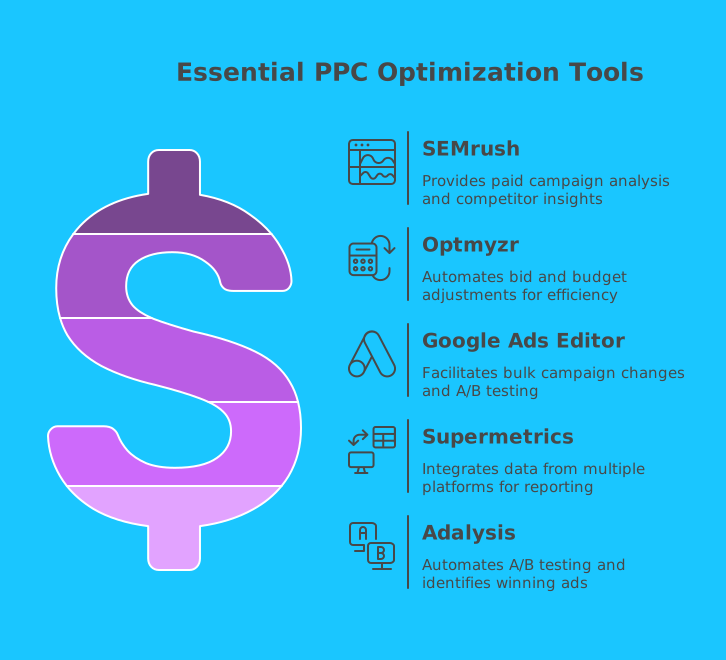
To get data-driven results and keep tabs on your campaigns, a few PPC optimization tools rise above the rest:
- SEMrush: Beyond just keyword research, SEMrush shines with its paid campaign analysis. See which ads are working for competitors, track your ad copy tests, and monitor how bids perform across channels. SEMrush brings clarity to which tactics move the needle and where the budget gets lost.
- Optmyzr: Built for serious PPC managers, Optmyzr automates bid and budget tweaks, surfaces quick wins, and delivers actionable insights. Its rule-based optimization lets you cut wasted spend or spot new opportunities, all while keeping human oversight in the loop.
- Google Ads Editor: When you need to make sweeping changes across dozens or hundreds of campaigns, this is the tool of choice. Edit keywords, pause groups, import bulk updates, or run A/B split tests without touching the web interface.
- Supermetrics: Spend less time copying data and more time acting on it. Supermetrics pulls performance from Google, Facebook, Bing, and more into clean spreadsheets or dashboards. Compare trends, pinpoint patterns, and export reports for any stakeholder.
- Adalysis: If constant A/B testing is your thing, Adalysis takes the guesswork out. Get alerts when an ad underperforms, automate rotation pauses, and spot winning messages sooner.
Most of these tools can monitor multiple channels at once, spot wasted budget, and recommend changes to improve performance. This lets you move at the speed of modern search. For those also doing organic SEO, platforms like Ahrefs and Majestic add valuable visibility for link-building and audit work. To compare leading SEO analysis platforms, check out the Majestic vs Ahrefs comparison.
Integrating Analytics and Attribution Platforms
Landing a new conversion is only half the story. To optimize your PPC campaigns for maximum ROI, you’ll need to know which touchpoints drive value. That’s where analytics and attribution tools step up their game.
- Google Analytics: This staple reveals how users move through your site post-click. Dig into bounce rates, path analysis, and funnel metrics to decide if your landing pages help or hurt performance. Custom goals and events give you control over what gets counted as success.
- Customer Relationship Management (CRM) Platforms: Syncing ad data with your CRM gives you a true end-to-end view. You’ll track a user from the first ad impression all the way to purchase or signup. This is especially important when sales cycles stretch out or happen away from your main site.
- Server-Side Tracking: As privacy laws tighten and browser technology blocks more third-party cookies, server-side tracking is moving from luxury to must-have. By handling data collection on your own servers, you keep visibility even as more users shut off tracking in their browsers. The upshot is clearer attribution and more reliable optimization.
Combining these platforms delivers a single source of truth. You see which campaigns, keywords, and creative assets ripple through to lasting business results—not just surface clicks. For more detailed advice about streamlining page performance and understanding how analytics data shapes your strategy, take a look at this guide on page optimization for SEO and speed.
Striking the right balance of automation, reporting, and deep analytics lets you confidently move budget between campaigns, adjust bids in real time, and know exactly which parts of your PPC strategy drive the profits. PPC campaign optimization turns into a repeatable process, not a guessing game.
Mastering Budget and Campaign Budget Optimization
Making every PPC dollar count calls for a sharp eye on where and how your budget moves. Mastering both budget allocation and spend pacing means you turn insight into action, driving more revenue without blowing past limits. Let’s explore tactics to stretch your PPC campaign optimization further and keep your campaigns humming through every stage.

Photo by Kindel Media
Budget Allocation Strategies for Maximum ROI
A strong budget strategy is part brainpower, part automation, and never just set-it-and-forget-it. The channels and tactics that perform best today may fall off tomorrow. Prioritizing top-performing channels, moving budgets quickly, and harnessing predictive tools keep campaigns performing at peak ROI.
How to Maximize Budget Allocation:
- Prioritize by Data, Not Assumptions
Audit each channel and campaign every week. Pump more budget into what’s converting now, not just what worked last quarter. - Dynamic Reallocation
Use automation or rules to shift budget to high-performing keywords, ad groups, or campaigns. For example, if search outpaces display on conversions, let AI or your PPC manager shift dollars in real time. - Predictive Budgeting
Tap into tools that merge historic campaign data with seasonality, ad competition, and even weather. AI models surface projected winners so you can plan ahead, not just react. - Segment Budgets by Funnel Stage
Keep separate pots for top-of-funnel (awareness), mid-funnel (consideration), and bottom-funnel (conversion) goals. This focus helps avoid overspending on cold leads and underfunding those closest to purchasing.
Modern platforms support these tactics with custom scripts, automated bid strategies, and responsive budget controls. The result? You spend where the audience is most likely to convert, cutting waste and boosting returns.
For inspiration on how strategic campaign execution translates to results, you might review these Effective SEO Campaign Examples.
Techniques for Ongoing Budget Pacing and Scaling
Budget pacing is like cruise control for your campaigns. Scale up smart, control spend, and prevent end-of-month panic with proven methods.
Ongoing Budget Pacing Tactics:
- Step Scaling
Grow budgets gradually. When a campaign hits efficiency targets (cost-per-acquisition or ROAS), increase spend in small steps (10-20%). Rushing only invites waste. - Daily and Lifetime Caps
Set both daily and monthly limits. This keeps your ad spend steady, even if traffic surges on certain days. - Automated Rules and Alerts
Use built-in tools to pause ads, cut budgets, or send alerts when spend or CPA thresholds are hit. This protects against runaway costs. - Monitor Spend Efficiency
Keep a close eye on performance against spend every few days. Use spreadsheets or dashboards to catch unexpected spikes before they cost you.
Strong PPC campaign optimization means reacting quickly without losing sight of the big picture. Predict trends using all your data (platform, CRM, web analytics), and use automation for the routine adjustments. The smartest campaigns pace themselves while always standing ready to capture fresh, profitable demand.
Continued refinement of budget strategy is what sets efficient advertisers apart. Control the pace, steer with data, and let technology fill in the gaps so every dollar works harder.
Conversion Rate and Landing Page Optimization
Turning clicks into real business growth starts at your landing page. Even the sharpest PPC campaign optimization will stall if the user lands on a slow, cluttered, or confusing page. Winning campaigns rely on constant landing page improvement, from loading speed to trust signals. High-converting pages don’t just match ad intent—they feel natural for your audience, guiding visitors exactly where you want them to go.
A/B Testing and Personalization for Higher Conversions
Every audience is a little different, and there’s no single template for the perfect landing page. A/B testing gives you the power to test new ideas against your current winners. Try a fresh headline, rearrange your call-to-action button, or test new images. Is your “Contact Us” form too long? Are testimonials making a difference? Small changes stacked over time add up to big wins.
Effective A/B testing looks like this:
- Test one element at a time: Headlines, images, button color, forms, or testimonials.
- Watch the conversion rate and bounce rate for each test. Clear improvements mean it’s worth rolling out.
- Use enough traffic for each version to feel confident in the results.
Personalization moves the needle even more. With smart PPC campaign optimization, show different copy or images to first-time visitors versus repeat customers. Use location data to personalize offers or show local contact details. If someone clicked on a special promotion, keep that deal front and center—or you may lose them fast.
Key ways to personalize landing pages:
- Adapt content based on ad keyword or audience segment.
- Use dynamic text replacement for a tailored message.
- Show returning users different offers or calls-to-action.
Fast load times also matter. A laggy landing page kills conversions, no matter how beautiful the design. Aim for page loads of two seconds or less. Compress images, trim code, and skip distractions like pop-ups or background videos that slow things down. Trust is built in seconds online. Use clear trust signals: visible security badges, real client reviews, phone numbers, privacy statements, and simple return or cancellation policies. Together, these best practices boost your landing page’s credibility and help to lift your entire campaign’s ROI.
For even more ways to attract the right users and build trust, review these Effective Lead Generation Strategies.
Performance Monitoring and Continuous Improvement
Optimizing your landing page never really ends. Even when conversions jump, keep one eye on your analytics dashboard. What works today may not last. Regular testing, reviewing performance, and adjusting page assets keep your PPC campaign miles ahead of the competition.
Focus on continuous testing:
- Schedule new A/B tests every month or after major campaign changes.
- Monitor results through platform analytics or third-party tools.
- Identify underperformers quickly: High bounce rate, low conversion, minimal time-on-page.
When you spot trouble, take focused action:
- Swap out low-converting assets: try new copy, images, or testimonial sections.
- Adjust the layout if users aren’t scrolling or completing your form.
- Use heatmaps and behavior tracking to see where users drop off.
Iterative refinement is key. Treat each landing page like a living asset. Make small, informed updates instead of dramatic overhauls. Even a minor change—a shorter form or one new trust badge—could push your campaign’s ROI to new heights.
Landing page performance is an ongoing commitment. Combine sharp design with a testing mindset. Regular improvements transform good results into great ones, helping every click and conversion stretch your PPC budget further. If you’re looking to strengthen your site’s content or boost user trust, you might also find value in these Essential On-Page SEO Techniques for more optimization tips.
Conclusion
Winning at PPC campaign optimization means blending sharp data, constant testing, and a willingness to try smarter tools. Marketers who thrive in 2025 are those who track every metric, reshape budgets on the fly, and turn automation into a daily habit. Real growth happens when you fine-tune each ad, landing page, and audience segment—using both machine insight and human instinct.
Ready to future-proof your strategy? Start pushing your own campaigns further. Set goals with real numbers, test every headline, and harness analytics to spot both quick wins and long-term patterns. Remember, a well-paced budget and rapid landing page updates make every click count.
Keep exploring how your PPC and SEO work together. Refining the details—from ad copy to page load speed—builds trust and maximizes return. For next steps on boosting performance, review the Importance of Page Speed in SEO.
Thanks for reading. Share your progress, test new ideas, and let data drive your growth.