Paid Social Advertising: A Complete Guide to Boost Your Marketing Results in 2025
Social media isn’t just about organic posts anymore. Paid social has become a powerhouse for reaching the right audience quickly. Whether you’re running ads on Facebook, Instagram, or LinkedIn, paid social offers a unique way to target specific demographics, track performance, and scale your efforts. Unlike organic strategies, it guarantees visibility, cutting through crowded feeds to get your message seen. In this guide, we’ll cover everything you need to know about using paid social to grow your marketing results.
What is Paid Social?
Paid social refers to advertising strategies where businesses pay to promote their content on social media platforms. It’s a direct way to ensure your message reaches the right audience, cutting through the noise of crowded social feeds. Unlike organic social media, which relies on free posts and natural engagement, paid social guarantees visibility by targeting specific demographics, behaviors, and interests. Whether you’re boosting a post, running a banner ad, or creating video content, paid social is all about reaching potential customers effectively.
Types of Paid Social Advertising
Social media platforms offer a variety of ad formats, each tailored to engage users differently. Here’s a breakdown of the most common types of paid social ads:
- Sponsored Posts: These are standard posts that are amplified with ad spend. They appear seamlessly in users’ feeds, looking like regular content but marked as “Sponsored.” Perfect for boosting visibility and reaching new audiences.
- Display Ads: Think of these as eye-catching banner-style ads. They often appear on a platform in sidebars, feeds, or other designated ad spaces. They’re ideal for driving brand awareness.
- Video Ads: Social media users love videos – especially short, engaging clips. Video ads are a perfect way to tell your story in motion, whether it’s a 6-second TikTok or a longer ad on Facebook.
- Story Ads: These ads are found in stories formats like Instagram or Facebook, and they are full-screen and immersive. They perform well because they mimic how users naturally interact with Stories content.
Each type has its strengths; businesses can use them individually or together to craft a well-rounded campaign.

Photo by RDNE Stock project
Platforms for Paid Social Advertising
Not all social platforms are the same; each caters to unique audiences and campaign goals. These are the major platforms for paid social advertising:
- Facebook: A powerhouse with billions of active users. Facebook allows extensive targeting options and works well for everything from lead generation to event promotions.
- Instagram: With its visual-first nature, Instagram is perfect for showcasing products or creating visually impactful brand stories. Owned by Facebook, you can manage campaigns on both platforms in one place.
- Twitter: While it may not have the audience size of Facebook, Twitter excels in real-time engagement, which is great for promotions tied to events, trends, or announcements.
- LinkedIn: LinkedIn is unmatched if you’re targeting professionals or B2B audiences. Its paid ads are excellent for lead generation, especially for industries like software, education, or business services.
- TikTok: As the newest platform on this list, TikTok is ideal for reaching younger audiences. Its video-focused ad options let brands creatively capture attention.
Choosing the right platform depends on your target audience and campaign goals. If you’re looking for professionals, LinkedIn is your best bet. But if you’re aiming for Gen Z, TikTok should be your go-to.
Benefits of Paid Social Advertising
Paid social advertising offers unmatched opportunities for businesses to connect more effectively with their audiences. Combining advanced targeting tools with measurable data enables brands to achieve more significant results quickly and efficiently. Let’s look at its key benefits.
Increased Reach and Visibility
One of the most powerful advantages of paid social is its ability to grow your reach quickly. Organic posts often struggle to cut through the endless scroll of feeds, but paid advertising ensures your content is shown to more people, regardless of whether they follow you or not.
For businesses, this means immediate visibility. Want to promote a product launch or seasonal sale? For a relatively small investment, your ad can appear in front of thousands—or even millions—of users worldwide. Platforms like Facebook and Instagram even let you prioritize impressions in specific locations or markets, making paid social the fastest way to widen your audience without waiting for natural engagement.
Precise Targeting Options
Paid social advertising puts you in the driver’s seat regarding who sees your ads. Unlike traditional marketing methods, which often rely on guesswork, social platforms allow you to drill down into the specifics of your target audience.
With almost surgical precision, you can target users based on:
- Demographics (age, gender, education, occupation)
- Interests (sports, fashion, tech, or dozens of other interests)
- Behaviors (purchase habits, device usage, or online activity)
- Location (as narrow as a zip code or as broad as global regions)
Let’s say you’re running a fitness business. You can target young adults interested in gym memberships or workout gear. This ensures your ad is shown to people most likely to convert, saving both time and budget on uninterested audiences.

Photo by Darlene Alderson
Measurable Performance Metrics
Gone are the days of guessing whether your campaign is working. With paid social, insights and data are at your fingertips. Every step of the user’s interaction with your ad can be tracked and analyzed, from clicks and likes to purchases.
What’s in it for you? Numbers tell the story. Social platforms provide essential metrics like:
- Click-Through Rates (CTR): Measure how many people clicked on your ad relative to how many saw it.
- Conversion Rates: See how many users took the desired action, whether signing up for a newsletter or making a purchase.
- Cost Per Click (CPC): Understand how much each interaction is costing you to optimize your ad budget effectively.
These analytics give you a deeper understanding of your campaign’s ROI. Think of it as your marketing dashboard, helping you identify what’s working and what needs adjusting in real-time.
By combining reach, targeting, and measurable results, paid social eliminates the guesswork and improves efficiency. It’s not just advertising—it’s advertising smarter.
Creating an Effective Paid Social Strategy
A successful paid social strategy doesn’t leave anything to chance. From the outset, it’s about making smart, intentional choices. Whether you’re aiming to boost brand awareness, generate leads, or drive sales, each piece of the strategy needs to align with your goals. Let’s break down the essential components.
Setting Clear Objectives
Before creating a single ad, you must decide what success looks like. Are you trying to build brand awareness? Generate leads? Drive online or in-store sales? Each objective requires a different approach. This foundational step will shape how you allocate your budget, craft your creativity, and measure your results.
Here’s a simple way to map your objectives:
- Brand Awareness: Focus on broad reach. Your goal is to get as many eyes on your brand as possible.
- Lead Generation: Engage users with forms, gated content, or sign-up incentives to collect actionable data.
- Conversions/Sales: Prioritize performance metrics like click-through and conversion rates to drive tangible results.
Clear objectives simplify every decision, ensuring your campaigns are focused and effective. Without them, you’re just throwing darts in the dark.

Photo by Walls.io
Identifying the Target Audience
To get your ad in front of the right people, you must know exactly who you’re targeting. Start by digging into audience research and segmentation. This isn’t a one-size-fits-all world—tailoring your messaging is crucial.
Here’s how to identify your ideal audience more effectively:
- Analyze Existing Data: Look at your current customers’ demographics, behaviors, and interests. Tools like Google Analytics or Facebook Audience Insights can help.
- Create Buyer Personas: Develop detailed profiles for your audience groups. For example, “Busy Parents” or “Tech-Enthusiast Millennials.”
- Segment Your Audience: Break audiences into groups based on shared characteristics. You might segment by location, online behaviors, age groups, or even income levels.
- Monitor Platform Trends: Each social platform has unique audience demographics. Make sure the platform you choose aligns with your target audience.
When you deeply understand your audience, it feels less like selling and more like solving their problem—exactly what they’re looking for.
Budgeting for Paid Social Campaigns
Let’s talk money. Your budget determines how far your ads will go, but paid social isn’t just about spending more—it’s about spending smart.
Here’s what you need to keep in mind while setting your budget:
- Ad Objectives: Your goal influences your spending. Boosting posts for visibility may cost less than running conversion-focused ads.
- Platform Costs: Costs vary between platforms. Facebook’s CPM (cost per thousand impressions) might be lower than LinkedIn’s, but LinkedIn offers advantages for B2B targeting.
- Bidding Strategies: Most platforms allow you to choose between manual bids or automated options like cost-per-click (CPC) and cost-per-impression (CPM). Start with automated bidding if you’re new, but don’t hesitate to experiment as you gain experience.
- Daily vs. Total Budgets: Set a daily budget to balance spending or select a lump-sum amount for the entire duration of your campaign.
Remember, it’s not about starting big—it’s about starting right. Test small amounts first, analyze the results, and scale what works. Paid social campaigns are like planting seeds: nurture the right ones and you’ll watch them grow.
Creative Development for Ads
Even the best strategy can’t save boring or irrelevant ads. Your creativity is what hooks people and makes them want to engage. Your ad copy and visuals must strike the perfect balance between intrigue and clarity to stand out in crowded social feeds.
Here’s how to create ads that stop the scroll:
- Strong Headlines: A headline shouldn’t just grab attention—it should give users a reason to care. Whether it’s a question, a bold statement, or intriguing numbers (e.g., “Save 30% Today!”), make it count.
- Eye-Catching Visuals: Use high-quality, vibrant images and videos that reflect your brand’s identity. Avoid stocky-looking visuals; authenticity resonates more.
- Clear Call-to-Actions (CTAs): Never assume people know what to do next. Whether you want them to “Learn More,” “Shop Now,” or “Sign Up,” make your CTA direct and obvious.
- Keep It Short: Social media audiences have short attention spans. Ads that are concise but impactful tend to perform better.
Don’t be afraid to test different creatives. What works on one platform might not work on another. Always tailor your ad designs to fit the platform’s best practices—vertical formats for Instagram Reels, square layouts for Facebook, etc. Testing and tweaking is how you’ll find your sweet spot.
Measuring Success in Paid Social
Understanding how to measure success in your paid social campaigns is critical. It’s not just about running ads; it’s about knowing what works and what doesn’t and making data-driven improvements. By tracking the right performance metrics and using the best tools available, you can ensure your efforts are paying off.
Key Performance Indicators (KPIs) to Track
The success of a paid social campaign hinges on knowing which KPIs to monitor. These metrics serve as your road signs, guiding you in the right direction while helping you recognize when adjustments are needed.
Here are essential KPIs for paid social advertising:
- Click-Through Rate (CTR): This measures how many users clicked your ad after seeing it. A high CTR usually reflects engaging content and effective targeting.
- Cost Per Click (CPC): This tells you how much you pay for each click. Lower CPC means you’re getting more value out of your budget.
- Conversion Rate: Tracks how many people completed your desired action (purchases, sign-ups, etc.) after clicking. It’s a strong indicator of your campaign’s ROI.
- Engagement Metrics: Includes likes, shares, comments, and saves. While not always tied directly to sales, high engagement builds brand awareness and trust.
- Impressions and Reach: Impressions show how often your ad was displayed, while reach tracks how many unique users saw it. These metrics reveal your overall visibility.
- Return on Ad Spend (ROAS): This evaluates the revenue generated for every dollar you spend on ads. It’s a top-level KPI for measuring campaign profitability.
By closely monitoring these KPIs, you can tell whether your ads are driving results—or draining your budget.
Tools for Analytics and Reporting
Tracking paid social performance doesn’t have to be overwhelming. With the right tools in your arsenal, you can gather detailed insights and make smarter campaign decisions.
Here are some of the top tools for analyzing and reporting on paid social:
- Facebook Ads Manager & Insights: Perfect for campaigns on Facebook and Instagram. The dashboard shows metrics like CTR, CPC, and conversion rates, making adjusting your campaigns in real-time easy.
- Google Analytics: Use it to track users’ actions after clicking your social ads. It’s especially useful for monitoring conversions on your website.
- Hootsuite Analytics: This third-party tool provides a centralized analytics view from multiple social platforms. Great for businesses juggling multiple campaigns at once.
- Sprout Social: Known for its user-friendly reports, this tool helps you dive deeper into engagement and audience behavior.
- AdEspresso: Ideal for testing ad variations on Facebook and Instagram, offering detailed recommendations for optimizing your campaigns.

Photo by Nataliya Vaitkevich
Whether relying on built-in tools or advanced third-party solutions, consistency is key. Regular reporting helps you transform raw data into actionable insights, improving the effectiveness of your campaigns over time.
Common Pitfalls in Paid Social Advertising
When done right, paid social advertising can transform your marketing results. But it’s not without challenges. Many businesses struggle to see a return on investment because of common mistakes that are easy to avoid with the right preparation. Understanding these pitfalls can mean the difference between wasted dollars and game-changing success.
Neglecting Audience Research
How can you advertise effectively if you don’t know who you’re talking to? One of the biggest mistakes businesses make is skipping audience research. Paid social platforms offer powerful tools to target specific demographics, interests, and behaviors, but you can’t use them effectively without a deep understanding of your audience.
Poor audience research often leads to ads being shown to the wrong people, resulting in low engagement and high costs. For example, if you’re promoting a premium service to a younger, budget-conscious demographic, your message may fall flat. It’s like trying to sell coats in the desert—misaligned targeting leaves you frustrated and over budget.
Here’s how to avoid this pitfall:
- Use tools like Facebook Audience Insights or Google Analytics to analyze your current customers.
- Create buyer personas that outline your ideal customer’s age, interests, challenges, and buying habits.
- Test audience segments to find the sweet spot where engagement meets conversions.
Understanding your target audience isn’t optional—it’s the foundation of effective paid social campaigns.

Photo by Kaboompics.com
Ignoring A/B Testing
Launching a single ad and hoping for the best is a gamble, not a strategy. Ignoring A/B testing is one of the costliest mistakes in paid social advertising. Without testing, you leave money on the table by not pinpointing what works best for your audience.
A/B testing lets you compare two or more variations of your ads to see what drives better results. This could be testing different headlines, visuals, ad formats, or call-to-actions. For example, one audience might respond better to quick, snappy phrases, while another prefers detailed messaging.
Some elements worth testing include:
- Visuals: Does a bold image get more clicks than a clean design?
- Copy: Does a question (“Want to save money?”) perform better than a statement?
- CTAs: Do users respond more to “Buy Now” or “Learn More”?
- Audience Segments: Which demographic provides the best ROI?
Make testing an ongoing part of your process. Even small tweaks can lead to major improvements in performance. Use metrics like click-through rates and conversion rates to guide your decision-making.
Underestimating Budget Requirements
Running out of budget halfway through a campaign is a common problem—and it’s entirely avoidable. Paid social advertising is highly competitive, and aiming too low with your budget often means minimal impressions, poor ad placement, or reduced campaign duration.
Think of your budget as the fuel for your paid social engine. Too little fuel and you won’t make it to your destination. For instance, if you’re running on a tight budget, you might only reach a fraction of your target audience, missing out on the opportunity to convert potential customers.
Here’s how to avoid this trap:
- Match Your Budget to Goals: If you’re focused on brand awareness, you’ll need a broader reach, which requires more funding. For conversions, the cost per action needs to justify your spending.
- Understand Platform Costs: LinkedIn ads can be significantly more expensive than Instagram ads. Factor platform rates into your planning.
- Start Small but Smart: Test campaigns with smaller budgets to optimize performance before scaling.
By calculating realistic budgets upfront and aligning them with your advertising goals, you’ll ensure your paid social campaigns stay effective without burning through cash.
Future Trends in Paid Social Advertising
Paid social advertising is constantly changing and is driven by new technology and user behavior shifts. Staying ahead of these trends is key to getting better results. Here’s a look at two major trends shaping the future of paid social.
Influencer Marketing Integration
Paid social is no longer just about running ads; it’s also about building trust. That’s where influencers come in. Influencer marketing has become a major force, and its role in paid social is becoming stronger daily.
Why does this matter? Influencers act as a bridge between brands and audiences, delivering messages in a more relatable and personal way. Traditional ads often feel impersonal, but influencers add authenticity, making audiences more receptive to sponsored content.
Platforms are catching on. Tools like TikTok Creator Marketplace and Instagram’s Collab Ads make it easier for brands to work directly with influencers. These partnerships go beyond simple paid posts. Now, brands can integrate influencer-generated content into formal ad campaigns, amplifying their reach.
Here’s why this is effective:
- Higher Engagement Rates: Influencers already have built-in credibility with their followers, which drives better interaction with ad content.
- Enhanced Targeting: Brands can choose influencers whose audience matches their ideal customer profile.
- Content Versatility: Influencer content often feels more natural, which is perfect for stories, reels, or other native formats.
For example, a fitness brand might partner with a personal trainer on Instagram to create tutorial videos. These videos could then be promoted as paid ads, ensuring they reach an even larger audience while maintaining trust.
As this trend grows, integrating influencer marketing into paid social won’t just be an option but a necessity.
AI and Automation in Ad Management
Artificial intelligence is revolutionizing how brands approach paid social. Managing ads manually can be time-consuming and error-prone. AI and automation tools are changing the game, enabling smarter, faster, and more efficient ad management.
How exactly does AI help? Put simply, it takes the guesswork out of advertising. AI tools analyze user behavior, ad performance, and targeting data to make real-time adjustments that maximize results.
Here’s what AI is doing for paid social:
- Automated Targeting: AI identifies the best audience for each ad based on algorithms and user data.
- Dynamic Creative Optimization: Platforms like Facebook use AI to test multiple versions of ads and automatically prioritize the top performer.
- Predictive Analytics: AI can predict which users will most likely convert, leading to better budget allocation.
- Ad Scheduling: Automation ensures ads are shown at the most effective times to capture user attention.
For instance, if you’re running a campaign on TikTok, AI might notice that a certain age group engages more during evening hours. It will then prioritize showing your ads during that time, improving efficiency without you lifting a finger.
Tools such as Google Performance Max and Meta Advantage+ already leverage AI to simplify campaign management. With these tools, brands can focus more on strategy while letting AI handle the details.
AI isn’t just a buzzword—it’s transforming paid social into a smarter, more precise marketing channel. And as these tools improve, expect automation to play an even bigger role in shaping campaign success.
Both influencer integration and AI-driven tools are setting the stage for paid social evolution. Brands that embrace these trends today will lead the market tomorrow.
Conclusion and Key Takeaways
Paid social has become an essential tool for modern marketers. With its precision targeting, measurable outcomes, and ability to scale quickly, it offers a unique advantage that organic strategies simply can’t match. From creating engaging visuals to running A/B tests, mastering paid social is about smart planning and constant optimization. Let’s break down the key lessons you can apply moving forward.
Summary of the Main Points
Throughout this guide, we’ve covered the essential aspects of paid social. Here’s a quick recap:
- What Is Paid Social: It’s advertising on social platforms to reach specific audiences instantly, guaranteeing visibility.
- Ad Formats: From video ads and story ads to sponsored posts, each platform offers unique ways to grab attention.
- Platform Choices: Match your goals to the right platform—LinkedIn for B2B, TikTok for younger audiences, and so on.
- Benefits of Paid Social: Unmatched reach, precise targeting, and data-rich insights make paid social effective and efficient.
- Best Practices: Clear objectives, well-defined audiences, budget management, and creative ad designs lead to better campaign results.
- Future Trends: Integrating influencer marketing and using AI tools will shape paid social strategies in the years to come.
Paid social isn’t just about throwing ads online. It’s about making calculated, data-backed decisions to connect with your target audience in the places where they spend their time.
The Importance of Paid Social in Digital Marketing
Why is paid social crucial? Simple—it bridges the gap between visibility and results. Organic strategies are important, but let’s face it, they’re slow and unpredictable. Paid social, on the other hand, ensures your message gets in front of the right audience at the right time.
Think of it as the turbo engine in your digital marketing mix. Combining it with SEO, email marketing, and other efforts creates a well-balanced strategy that delivers both short-term wins and long-term growth.
- Want to drive sales fast? Paid social lets you reach high-intent customers now.
- Looking to build brand loyalty? Persistent and consistent paid ads keep your brand at the forefront of your mind.
When used strategically, it’s not just an expense—it’s an investment in scaling your business.
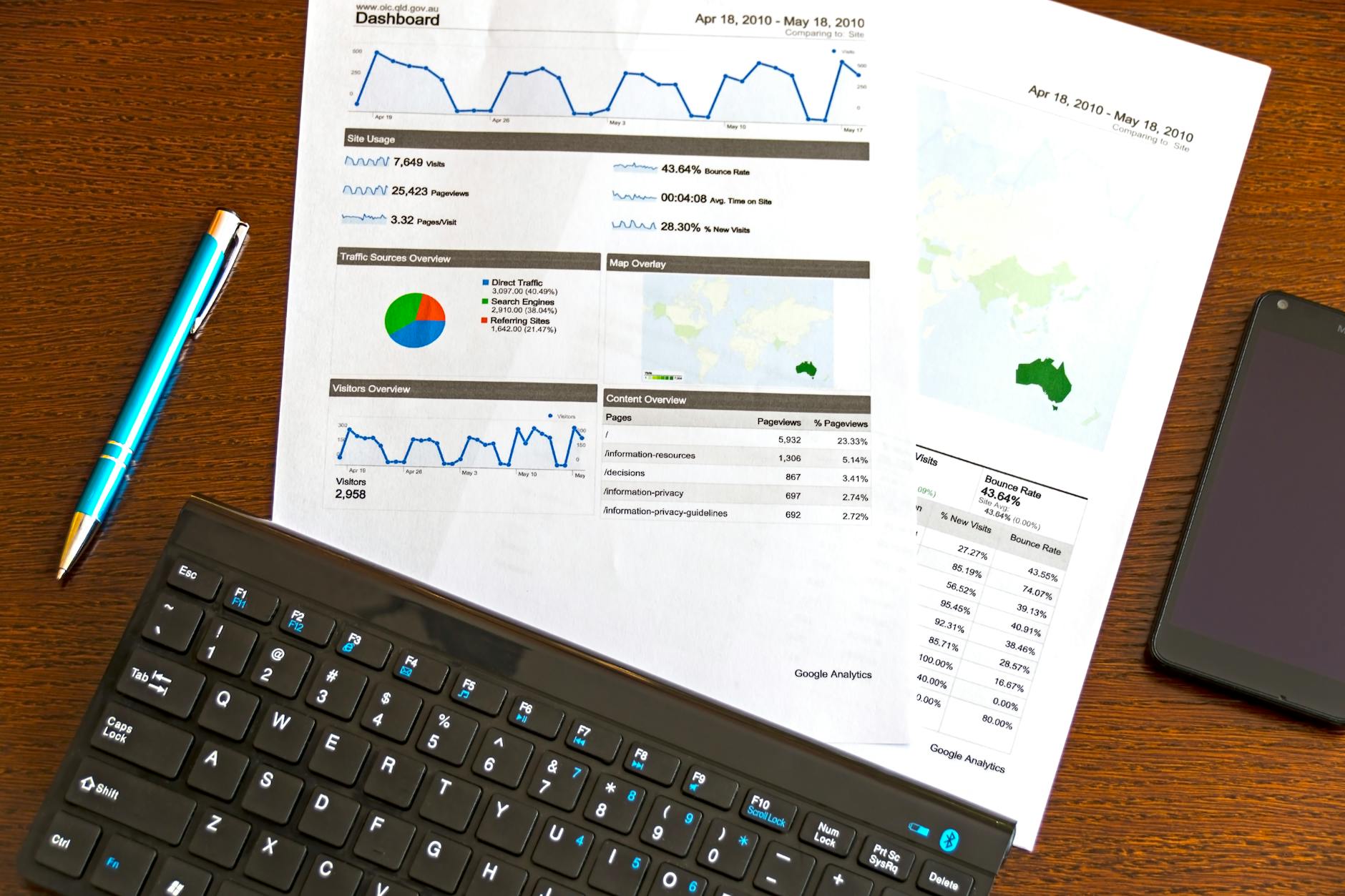
Photo by AS Photography
Incorporating paid social into your broader marketing strategy will unlock the potential to connect with your audience authentically and effectively.