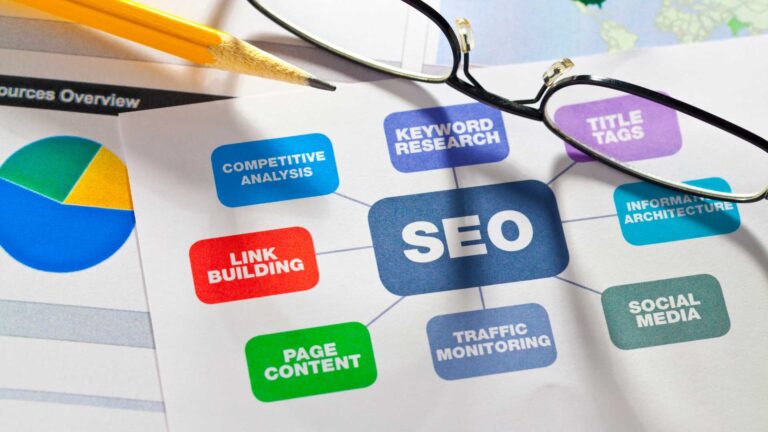
How Local SEO Experts Build Successful Targeted Backlinks for Niche Markets in 2024
Link building plays a huge role in the success of local SEO for niche markets. But in smaller or highly specialized industries, building backlinks that actually help rankings requires a targeted approach. Freelance SEO experts know how to focus on relevance, connecting niche businesses with links that match their audience and goals. The result? Backlinks that bring real authority, not just numbers.
Understanding Niche Markets
Niche markets are often overlooked in favor of broader markets, but they are where many small and medium businesses thrive. These markets cater to specific, highly defined segments of consumers. For freelance SEO experts, targeting niche markets requires a keen understanding of their unique dynamics and tailored strategies that align perfectly with the audience’s needs.
Characteristics of Niche Markets
Niche markets stand out because they focus on specialization, addressing precise needs that often go unmet in more generalized industries. Their characteristics include:
- Smaller, targeted audiences: Instead of appealing to everyone, niche markets aim to connect with a limited but highly engaged group of individuals.
- Specialized products or services: Businesses in these markets are experts in their domain, offering solutions that cater to unique consumer problems.
- Less competition: With fewer players targeting the same audience, niche markets often experience less saturation compared to broader industries.
- Deep customer relationships: Due to their specialized nature, businesses within niche markets often develop strong, loyal relationships with their customers.
- Higher value per customer: Buyers in these markets are typically willing to pay a premium for the tailored products or services that meet their specific needs.
For freelance SEO professionals, understanding these characteristics is crucial when approaching link-building for niche businesses. By focusing on relevance rather than volume, SEO experts can build trust and authority within these specialized spaces.

Benefits of Targeting Niche Markets for SEO
Focusing on niche markets offers several benefits, especially when it comes to SEO and link-building. Some of the key advantages include:
- Higher relevance: Links built for niche markets are often highly relevant, leading to better rankings and more meaningful traffic.
- Increased conversion rates: Because the audience is so specific, the likelihood of converting visitors into customers is significantly higher.
- Improved brand authority: Building links within a niche strengthens a business’s standing as an industry expert.
- Lower competition: It’s easier to get noticed in a smaller market, making it more accessible to rank well in search engine results.
- Stronger engagement: Niche groups tend to engage deeply with content tailored to their interests, making outreach efforts far more effective.
When freelance SEO experts zero in on these benefits, they help businesses expand their visibility without wasting resources chasing a broader, less focused audience. Local SEO strategies, such as optimizing content with geo-specific keywords or joining industry-specific directories, further amplify these efforts and connect businesses with their ideal customers.
Building targeted links for niche markets is about quality over quantity. The goal isn’t to reach everyone—it’s to reach the right people. This precision not only drives better SEO results but also builds lasting relationships with customers, helping businesses stand out in their industries.
The Fundamentals of Local SEO
Local SEO is a core component for businesses looking to dominate their area or niche market. It’s how smaller businesses and specialists capture local customers actively searching for their products or services online. Unlike general SEO, local SEO zeroes in on connecting businesses with a nearby audience. When done right, it boosts a brand’s visibility where it matters most.
What is Local SEO?
Local SEO, or local search engine optimization, focuses on improving search rankings for businesses with a physical location or those serving specific regions. When someone searches for “coffee shop near me” or “best plumber in Dallas,” local SEO ensures your business is the answer.
Think of it as the digital version of a storefront sign—guiding people to your services. It’s especially valuable for niche businesses since their target markets often align closely with specific locations. By optimizing for localized keywords and enhancing visibility in online directories, local SEO helps businesses stand out to nearby customers.
 Photo by Kindel Media
Key Elements of Local SEO
If you want your business to shine in local search, you need to tackle several areas. Local SEO involves more than just showing up on Google; it’s about showing up with authority and relevance. These are the key elements:
- Google My Business (GMB): Claiming and optimizing your Google My Business profile is essential. This listing puts your business on Google Maps and local searches. Fill it out completely and ensure your name, address, and phone number (NAP) are correct. Don’t skip photos—they help customers trust you.
- Citations: Citations are mentions of your business name, address, and phone number on other websites. Think of them as digital breadcrumbs leading customers to you. Local citations can come from platforms like Yelp, online directories, or industry-specific listing sites. Maintain NAP consistency across all platforms to build trust with search engines.
- Local Keywords: Keywords should match what locals are typing into their search bar. For example, “best tacos in Austin” beats just “tacos.” Research terms that include areas, neighborhoods, or landmarks tied to your location. Tools like Google Keyword Planner can help you find these terms.
By mastering these elements, businesses can create a strategic presence that places them directly in front of local customers. Every piece—from your GMB page to hyper-localized keywords—works together to dominate local search results.
Tailored Link Building Strategies for Niche Markets
Niche markets thrive on specificity, making tailored link building a potent tool for SEO experts working in specialized industries. Unlike generic link-building methods, strategies in this space demand a nuanced approach that aligns closely with audience interests and industry characteristics. Here’s how freelance SEO experts build effective links for niche markets.
Identifying Relevant Link Sources
Finding the right websites for links is like planting seeds in fertile soil—it’s essential for growth. Relevance is the key factor here.
- Focus on industry-specific websites: Search for blogs, forums, and directories that cater solely to your niche market. These sources usually have a highly engaged audience.
- Evaluate domain authority (DA): Use tools like Ahrefs or Moz to ensure that the sites you’re targeting carry weight in search rankings.
- Check the relevance of content: Websites must post content that aligns with your niche. For example, a pet grooming tool brand should focus on pet care blogs, not general lifestyle websites.
- Observe competitor backlinks: Analyze where competitors gain their links using tools like SEMrush or Ubersuggest. This reveals ready-made opportunities.
Sticking to these tactics ensures links aren’t just random—they’re strategic.

Photo by Ryutaro Tsukata
Creating Unique Content for Link Building
In niche markets, generic content doesn’t cut it. To truly stand out, tailor-made content is non-negotiable.
- Solve specific problems: Writing in-depth guides or how-tos that address pain points specific to the niche positions you as a valuable resource.
- Case studies and data: Share industry reports, case studies, or original research. These kinds of resources are highly linkable, as they provide unique insights.
- Optimize for readability: Avoid fluff and focus on clarity. Break up your content into bite-sized sections with bullet points or bolded takeaways.
- Repurpose content: Turn blog articles into infographics, videos, or podcasts. Different formats attract diverse audiences, increasing link-building opportunities.
Well-written, niche-specific content builds trust and encourages others to link back naturally.
Utilizing Local Keyword Strategies for Effective Link Building
Integrating local keywords into link-building strategies adds another layer of effectiveness. It’s about pairing niche-specific terms with local relevance.
- Google Autocomplete research: Start typing a niche keyword, like “custom bakery tools,” and add your city name. Note related search terms.
- Optimize anchor text: When building links, ensure the anchor text includes both niche and local keywords. For example, “custom bakery tools in Austin.”
- Collaborate with local businesses: Partner with other niche-related local businesses for co-promotions or sponsored posts. These collaborations often result in valuable backlinks.
- Utilize local directories: Submit websites to directories specific to your city or region. They may seem old-school but still carry SEO weight for local search visibility.
Local keywords bridge the gap between niche relevance and geographic focus, creating ultra-targeted link opportunities.
Tailored link-building strategies for niche markets don’t just help rankings—they build authority in smaller but vital spaces where quality truly matters.
Best Practices for Ethical Link Building
Freelance SEO experts who work in niche markets know that link building isn’t just about numbers; it’s about building authentic connections and staying on the right side of the rules. Ethical link building focuses on high-quality, relevant links that boost authority and trust, without breaking any search engine guidelines.
Avoiding Black Hat Techniques
Unethical link-building strategies, often called “black hat,” can seem tempting when trying to get quick results. But they can backfire in big ways.
Google penalizes websites that engage in practices like:
- Buying links: This is one of the fastest ways to lose credibility with Google. Paid links often come from spammy websites that can hurt rankings rather than help.
- Private Blog Networks (PBNs): These networks exist just to build links, which goes against Google’s guidelines. Once discovered, they bring severe ranking penalties.
- Keyword-stuffed anchor text: Over-optimizing anchor text to manipulate rankings is a red flag for search engines.
- Automated link-building tools: These programs create a flood of low-quality links that aren’t useful to users and often come from irrelevant sites.
What’s the risk? Google’s algorithm is smarter than ever, and those links won’t stay hidden for long. When found, penalties can tank your rankings—sometimes permanently. Instead, focus on authentic, sustainable strategies that will stand the test of time.
Building Relationships in Niche Communities
In niche markets, relationships are the backbone of effective link building. When you work within tight-knit industries, networking isn’t optional—it’s essential.
Here’s how to embed yourself in your niche community:
- Engage in discussions: Join forums, Facebook groups, or subreddits specific to your niche. Provide thoughtful responses and establish yourself as an expert—this increases the chances of others linking to your content.
- Collaborate with influencers: Partnering with well-known individuals in your niche can open doors to guest blogging or co-branded projects that naturally generate high-quality links.
- Support local businesses or events: If your niche has a local focus, attend industry meetups or sponsor events. These connections often lead to backlinks from local or industry-specific websites.
- Offer link-worthy resources: Create useful tools, guides, or templates that your niche audience will want to share.
Building links in niche markets is like joining a community dinner—adding something valuable to the table builds trust and strengthens connections. This trust is what leads to genuine backlinks that improve your SEO and grow your authority.

When link building is done ethically with a focus on relationships, the results are not just sustainable—they’re impactful. In the long run, this approach creates a strong foundation for SEO success without risking penalties.
Measuring the Success of Link Building Efforts
Measuring the success of link-building is essential for identifying effective strategies and improving future campaigns. For businesses targeting niche markets, knowing whether your efforts translate into tangible results ensures smarter decision-making and higher returns.
Key Performance Indicators (KPIs)
Tracking KPI metrics is the best way to measure the success of your link-building campaigns. These KPIs help you gauge the quality and performance of your backlinks:
- Domain Authority (DA) and Page Authority (PA): Higher DA or PA scores for links you acquire indicate stronger potential to improve your site’s ranking.
- Referral Traffic: Monitor how much traffic your backlinks are bringing to your website using tools like Google Analytics.
- Anchor Text Distribution: Analyze if the anchor text used in backlinks supports relevant keywords and does not over-optimize.
- Link Relevance: Ensure the linking website’s niche matches your target industry for enhanced link value.
- Geographic Relevance: For local SEO, see if the links come from regionally relevant websites or directories.
- Organic Keyword Rankings: Are backlinks helping key pages rise in rankings for competitive keywords? This is particularly important for niche markets.
- Conversion Metrics: Look for goal completions (sales, form submissions, etc.) from traffic originating through backlinks.
By prioritizing these KPIs, you can track the impact of your link-building efforts in a way that aligns with both SEO goals and broader business objectives.

Photo by Diva Plavalaguna
Adjusting Strategies Based on Data Analysis
Once you’ve gathered performance data, it’s time to adapt. Flexibility is key in link-building and is especially critical when dealing with niche markets that often require a creative approach.
Here are some ways to adjust:
- Underperforming Links: Analyze low-referral traffic links. Are they poorly matched to your audience? Refocus outreach efforts on higher-authority or more relevant domains.
- Content Gap Analysis: If certain content types generate the most backlinks (e.g., infographics or case studies), invest in creating more of that style.
- Optimize Anchor Text: Look for overused or irrelevant anchor texts and diversify with more natural, keyword-rich anchor phrases.
- Geo-targeted Adjustments: If your niche has a local focus, prioritize securing backlinks from regional blogs, directories, or local events.
- Competitor Analysis: Study their backlink profiles consistently. This can highlight opportunities you might have overlooked.
- Expand Outreach Lists: If current outreach yields diminishing results, explore additional niche-specific blogs, forums, and directories.
Making sense of performance data allows you to refine your approach, ensuring time and resources are directed toward link-building activities that provide measurable value. In niche markets, this ensures your efforts remain precise and focused.
Tracking performance isn’t just about numbers—it’s about understanding what works and re-aligning strategies to keep improving. For niche industries, this continuous feedback loop ensures relevance and authority translate into sustainable growth.
Conclusion
Freelance SEO experts excel at creating link-building strategies tailored to niche markets, prioritizing relevance over scale. By focusing on industry-specific websites, relevant local directories, and customized content, they ensure every link amplifies authority and resonates with the target audience.
This specialized approach transforms backlinks into better rankings and meaningful traffic. Businesses operating in niche markets should take a localized and industry-focused perspective for their SEO. These strategies not only strengthen visibility but also build lasting connections within their fields.
Start applying these targeted techniques today to claim your spot as a trusted leader in your niche. What link-building tactics can you refine to better suit your market?