5 Ways SEO Can Turn a Small Business into a Local Favorite
Running a small business online can feel like putting up a sign on a quiet back street. People might love what you offer, but they won’t find you if they can’t see you. SEO (search engine optimization) helps fix that. It puts your business in front of people at the exact moment they search, so you earn more visibility, more local leads, and more website visits without a huge budget.
Better still, SEO rewards steady, practical work. Simple steps like improving key pages, polishing your Google listing, and adding clear service info can move the needle over time. Whether you run a bakery, a salon, or a home service business, SEO can help you grow in a way that lasts.
For tactical ideas that fit real-world schedules, see this guide on freelance SEO strategies for ways to stretch limited time and resources.
What SEO Is and Why It Matters for Small Businesses
SEO is the process of helping search engines understand your website, so they show it to the right people. When someone searches for what you sell, you want your business to appear before a competitor does. SEO makes that possible, even if you don’t have a large ad budget.
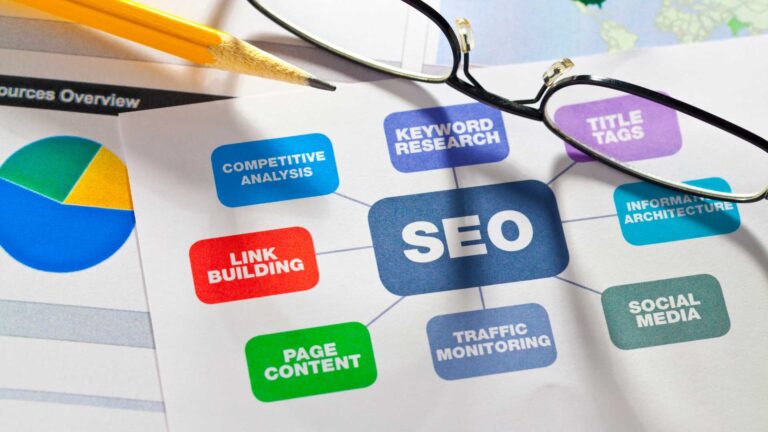
The main pieces of SEO (in plain language)
SEO can sound like insider talk, but the building blocks are straightforward.
- Keywords
Keywords are the words and phrases people type into Google. A bakery might target “best cupcakes in [your town]” or “custom wedding cakes.” When those phrases show up naturally in your pages, search engines connect your site to those searches. - On-page SEO
On-page SEO focuses on what’s on your website. That includes page titles, headings, internal links, page speed, and clear writing that uses keywords in a natural way. For extra help, see on-page SEO strategies here. - Off-page SEO
Off-page SEO is about trust signals from other sites. The most common example is backlinks, which happen when another website links to yours. Quality links help search engines view your business as credible. Learn more in the Step-by-Step Guide to Building Backlinks. - Technical SEO
Technical SEO covers how well your site works behind the scenes. Mobile-friendly design, secure browsing (HTTPS), and clean site structure all matter. When the basics are solid, both rankings and user experience improve.
When these parts work together, your website becomes easier to find and easier to use. That combination brings better traffic and better leads.
Why small businesses can win with SEO
Big brands can spend more on ads, but small businesses have advantages that SEO rewards.
- Local search visibility
Many searches come from nearby buyers, like “coffee shop near me” or “emergency plumber.” When you mention your city, service area, and nearby neighborhoods in the right places, you show up for local intent searches. For more background, see this Investopedia guide on small business SEO. - A real voice that people recognize
Small businesses can sound human, because they are. You can share staff stories, customer wins, and local knowledge that a national brand can’t copy. For example, a dog groomer posting before-and-after photos feels personal, because it is. - Long-term value compared to ads
Ads stop the moment you stop paying. SEO pages can keep bringing visitors month after month. A strong service page or a helpful blog post can keep working long after it’s published. More perspective is available from the Huntington Chamber of Commerce.
5 Benefits of SEO for Small Businesses
SEO isn’t only about ranking higher. It’s about getting found by people ready to buy, then earning their trust once they land on your site.
1) Better visibility in search results
A website can look great and still stay hidden. SEO changes that help search engines understand your pages and match them to the right searches.
For example, if someone searches “fresh cupcakes in [your city],” a well-optimized bakery site has a real shot at appearing near the top. For more help with location-based visibility, see this guide to enhancing local ranking strategies.
2) More local customers
A large share of Google searches has local intent. When someone types “best pizza in [your town]” or “plumber near me,” they often want help soon.
Start with your Google business profile. Add accurate hours, phone number, services, and photos. Then ask happy customers for reviews, because reviews build trust and improve local placement. A step-by-step walkthrough is available in this local SEO optimization guide.
3) Lower-cost marketing that lasts
Small business marketing money runs out fast. SEO helps you build traffic that doesn’t vanish when a campaign ends.
Evergreen pages pay off here. Service pages, FAQs, and how-to content can bring steady traffic over time. For more ideas, see this article.
4) More website traffic from high-intent searches
Higher rankings lead to more clicks, and clicks turn into visits. Unlike casual browsing on social media, search traffic often comes from people who want something specific.
For example, a local gym that ranks for “affordable personal trainers nearby” pulls in visitors already looking to sign up. For a deeper look at why SEO traffic tends to convert well, read this comprehensive guide.
5) Stronger trust and credibility
Most people trust what Google shows first. They may not say it out loud, but the first page feels safer.
SEO supports that trust in a few ways. Helpful content builds authority. Fast, mobile-friendly pages make your business feel reliable. Reviews and links from reputable sites back up your claims. For examples of real-world results, see these successful SEO case studies.
Simple SEO Strategies Small Businesses Can Use
SEO doesn’t need fancy tools or a huge team. A few steady habits can bring real progress.
Start with keyword research that matches real customers
Keywords are how people describe their needs. Your job is to match that language.
Use free tools like Google Keyword Planner or Ubersuggest to find phrases people search. Then look for terms with clear intent and reasonable competition. A pizza shop might focus on “thin-crust pizza delivery” or “best pizza near me.”
Also, listen to your customers. Their calls and emails often hand you keyword ideas. A parent asking about quick dinners might search “family meal deals in [your city].” For extra guidance, see this SEO guide for small businesses.
Write content that helps first, and ranks second
Good content feels like a helpful employee at the counter. It answers questions, gives clear next steps, and doesn’t waste time.
A handyman could publish “5 Quick Fixes Homeowners Can Try Before Calling a Pro.” A florist could post an FAQ like “How to keep flowers fresh longer.” Keep the writing simple, and aim to solve one problem per page.
A quick checklist helps:
- Solve a real problem with clear steps.
- Keep it tight and skip fluffy filler.
- Use visuals when they help explain (photos, short videos, diagrams).
Long-tail keywords also matter, like “eco-friendly house cleaning in [your town].” These phrases can bring fewer visits, but the visitors often convert better. For more ideas on content that keeps people reading, see proven content strategies for better rankings.
Improve on-page details that search engines notice
Small changes can have a big effect, especially on service pages.
- Title tags: Put the main keyword near the front, for example, “Affordable Carpet Cleaning | [Business Name].”
- Meta descriptions: Write a short summary that earns the click, around 150 characters.
- Image alt text: Describe images for accessibility and search context, for example, “Gluten-free chocolate chip cookies baked fresh daily.”
For a broader overview, see this step-by-step SEO guide.
Put local SEO to work where it counts
Local SEO helps you show up when people search nearby. That includes map results and “near me” searches.
First, set up and verify your Google My Business profile. Next, keep your business info consistent across the web. Then add real photos, list your services clearly, and post updates when relevant.
Also, get listed on directories like Yelp, TripAdvisor, and industry sites that apply to your business. Finally, ask customers for reviews and respond to them. More local tactics are covered in this detailed local SEO guide.
Use internal links to guide visitors
Internal links help people find what they need, and they help search engines understand your site structure.
To do it well:
- Link where it feels natural, like from a service overview to a specific service page.
- Use clear anchor text, not “click here.” Try “read about our drain cleaning service.”
- Place important links early so visitors see them fast.
For a deeper look at site structure, see how to improve internal link structures.
Common SEO Mistakes to Avoid
SEO works best when you stay consistent and avoid the traps that waste effort.
Mistake 1: Missing user intent
Search terms have a purpose behind them. Someone searching “affordable lawn care services near me” likely wants to hire, not read a long guide about mowing.
Match pages to intent. Service keywords should lead to service pages. Research keywords can lead to helpful blog posts. If you want a framework for organizing topics, see this complete guide on building content clusters.
Mistake 2: Stuffing keywords into every sentence
Keyword stuffing makes your writing sound strange, and search engines don’t reward it.
Instead, write for people. Use your main keyword in key spots (title, headings, a few times in the body), then support it with related terms. For more on what to avoid, see this guide to avoiding SEO mistakes.
Mistake 3: Forgetting mobile users
Many visitors will meet your business through a phone screen. If your site loads slowly, text looks tiny, or buttons are hard to tap, they leave.
Use responsive design, compress images, and test speed often. Google’s Mobile-Friendly Test can flag issues quickly. More guidance is available in best practices for web design and SEO.
Mistake 4: Not tracking results
SEO without measurement turns into guesswork. Analytics show what brings traffic, what converts, and what needs work.
Use Google Search Console to track queries and indexing issues. Use Google Analytics to see behavior, top pages, and conversions. If you want to avoid common local tracking errors, review this in-depth guide on avoiding local SEO errors.
SEO Resources Small Business Owners Can Use
SEO feels easier when you have the right tools. Many are free, and several paid options are affordable when you’re ready.
Google tools that cover the basics well
Google offers a strong set of free tools that help you improve and track SEO.
- Google Analytics tracks how people find and use your site.
- Google Search Console shows keyword queries, indexing status, and technical warnings. For related guidance, see WordPress SEO tips for budget-conscious design.
- Google My Business helps you show up in map results and local listings. More on growth-focused marketing is available in this dedicated guide.
Easy keyword research tools
Keyword tools help you see how customers search, not just how you describe your services.
- Ubersuggest suggests keyword ideas and basic competition data.
- AnswerThePublic turns keywords into questions and topics, which helps when planning blog posts and FAQs.
If you want to see how content length can affect performance, read how long-form content can amplify your SEO results.
Paid tools when you want deeper data
When you’re ready to go further, platforms like SEMrush and Moz offer competitor insights, site audits, and rank tracking. Both usually offer trials, so you can test before committing.
Learning resources that explain SEO clearly
Sometimes the most useful resource is a clear guide and a few real examples.
- BDC’s SEO tips for small businesses
- Reddit’s community discussions, including this SEO Resources thread
- Local SEO for small businesses
Affordable tools that fit small teams
If you use WordPress, plugins like Yoast SEO can help with basic on-page work. Also, directory listings like Yelp and TripAdvisor can support local visibility, as long as your business info stays consistent.
Conclusion
SEO gives small businesses a steady path to online growth. It helps you show up in search, attract nearby customers, and build trust over time. With tools like Google My Business, smart keyword choices, and consistent on-site improvements, progress adds up faster than most owners expect.
Start with small upgrades, then keep going. A faster site, a better service page, or a stronger local listing can all move you forward. If outside help makes sense, learn why freelance SEO services might be the right fit, then turn your website into a place customers can count on.