Zero-Click Searches: How Marketers Can Measure Visibility In 2026
Zero click searches provide answers directly on a search engine results page, so users don’t need to visit a website. In 2026, Google can deliver these answers through AI Overviews, AI Mode, and other generative AI experiences.
For marketers, this shift creates a digital marketing measurement problem: impressions may stay steady while clicks, sessions, and rankings lose value. In organic search, search visibility and brand visibility can matter without a visit, so your content strategy must track both. This guide explains how Google reports these appearances and why rankings don’t guarantee clicks. It also covers how to measure relevant search queries and apply practical SEO, AEO, and GEO actions, including an AI search visibility audit checklist.
First, let’s look at how these results work and where your brand can appear without earning a click.
Key Takeaways
- Measure visibility and action together, since impressions can rise even as website clicks fall.
- Use Google Search Console to compare impressions, clicks, average position, and search appearance data across pages and queries.
- Review SERP features and AI results separately to identify brand appearances that don’t produce site visits.
- Track branded searches, conversions, assisted revenue, and direct traffic alongside rankings to connect performance with business outcomes.
- Use Google’s Search Console performance report and guidance on why rankings do not guarantee clicks to measure impressions, actions, citations, and business results.
How Zero-Click Searches Work in 2026
Zero click searches begin with a simple action: someone enters a query, Google interprets the intent, then places an answer or tool directly on the search engine results page. The response might be featured snippets, local packs, knowledge panels, a product module, a calculator, or AI Overviews. For a broader explanation, see this guide to how zero-click searches work.
That process gives users faster answers, but it also changes what visibility means. A searcher can see your brand, call your business, request directions, remember your content, or search for your company later without visiting your website.
Why search engines answer more queries on the results page
Search engines want to resolve simple needs quickly and keep people engaged in the search experience. Mobile screens, voice assistants, maps, shopping tools, and AI search platforms have turned search into an interactive destination rather than a list of blue links.
A person looking for today’s weather may receive an instant forecast. Someone searching for a restaurant can view hours, reviews, directions, and a call button. A shopper may compare products inside Google, while voice search returns a spoken answer. Google AI Mode supports typed questions, voice input, images, follow-up questions, and related searches through the people also ask section. A people also ask module can expand a topic as conversational AI handles longer, connected queries. Google’s explanation of AI Mode shows how search is moving toward longer, conversational journeys.
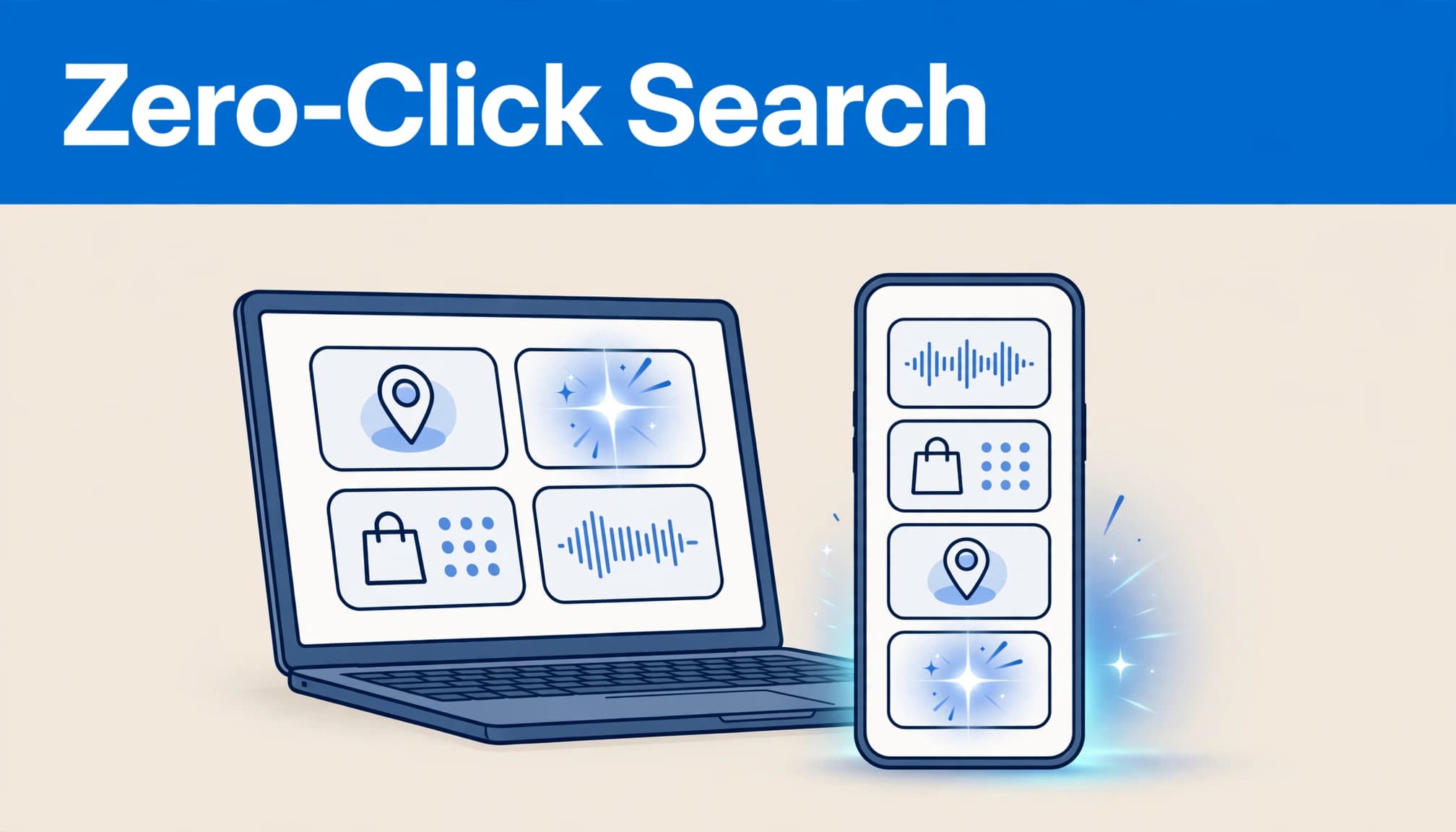
Informational, local, factual, and simple utility queries are most likely to end without a website click because of user intent. However, zero-click searches don’t always create zero business value. Visibility can build familiarity or prompt a later branded search.
A zero click search is different from a no-impression search, where your result never appeared. It’s also different from a search where someone views an answer first, then clicks a cited page. Featured snippets may answer a question immediately, while generative AI can summarize several sources. AI Overviews and AI Mode extend that experience, and AI search platforms are creating similar paths beyond traditional search. Reported rates vary by device, query type, country, search feature, and research method, so marketers shouldn’t treat one headline statistic as universal. The practical goal is to measure both the exposure gained and the actions that follow from relevant search queries.
The Zero-Click Search Features That Can Replace a Website Visit
Search results now address different types of user intent directly. These zero click searches may show several features at once, so marketers should track brand appearances, visible information, and available actions.
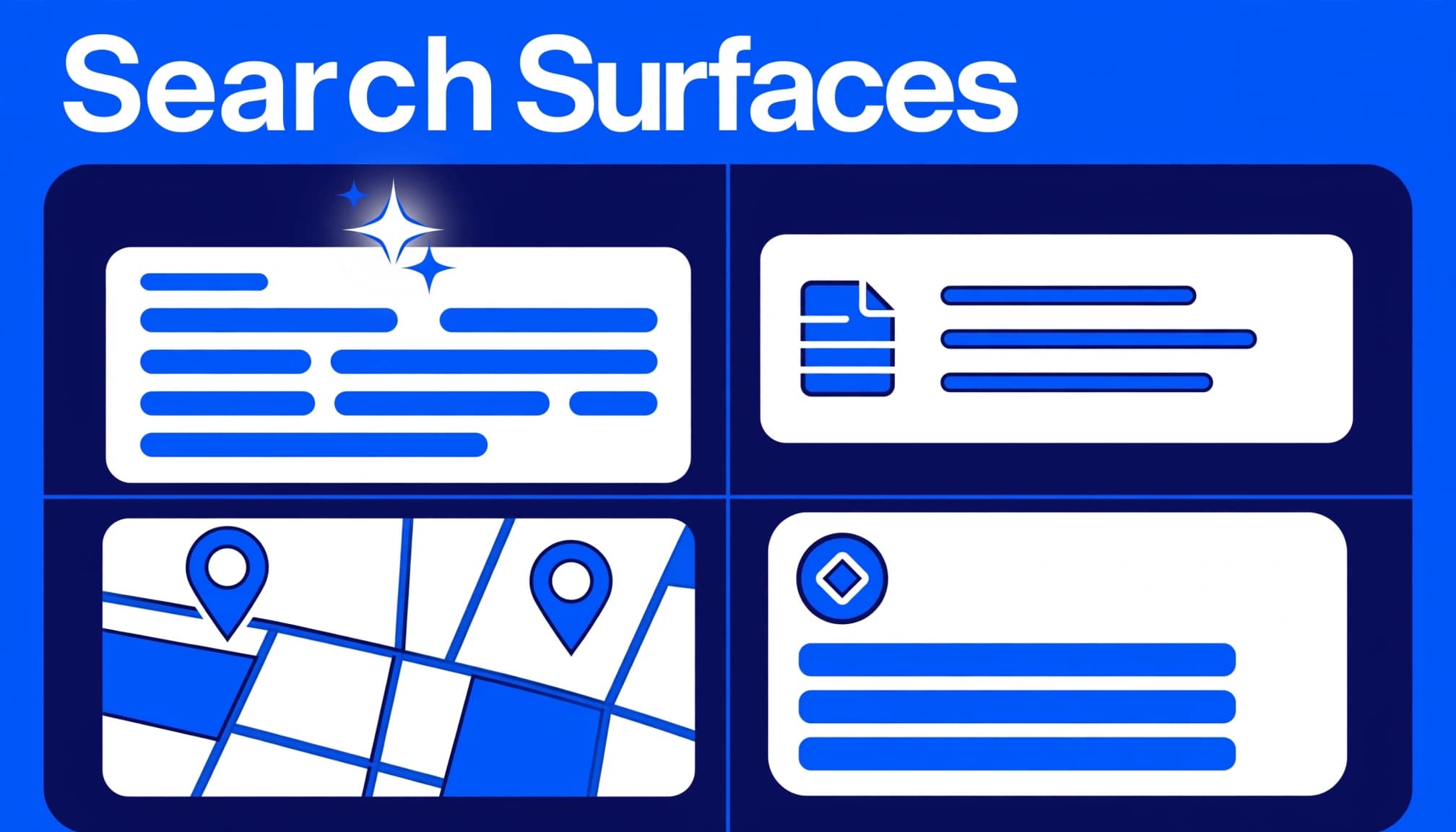
AI Overviews and Google AI Mode
AI Overviews synthesize information from multiple sources near the top of a results page. They suit complex informational searches, such as comparing software or planning a trip. AI Mode offers a deeper experience with follow-up questions, richer context, and answers that may replace the familiar list of blue links.
Both experiences can use query fan-out, which breaks one question into related searches across subtopics and data sources. Google explains this process in its AI features documentation. Conversational AI can change the answer after a follow-up question, and cited sources may change too.
AI search platforms don’t always select the same sources for similar questions. Visibility can vary between systems, especially when generative AI evaluates different claims, entities, and subtopics.
A high organic ranking doesn’t guarantee a citation on the search engine results page. Because AI search platforms select pages that support specific claims, a result in position three may appear while the first result doesn’t. Standard SEO fundamentals still support eligibility, but marketers can improve their chances with:
- Original research, firsthand evidence, and useful data.
- Clear entities, consistent facts, and trustworthy authorship.
- Well-structured sections with direct answers.
- Supporting detail that addresses related follow-up questions.
Review zero-click search trends by industry to see why exposure and visits can move in different directions.
Direct Answer Snippets and Related Questions
Featured snippets extract a paragraph, list, table, or video answer from a page. Often called position zero, featured snippets target questions with a clear, concise response. A question-based heading followed by an answer of roughly 40 to 60 words gives Google a useful passage to evaluate, but no format guarantees placement.
Use numbered steps for processes, bullet lists for options, and tables for genuine comparisons. This formatting supports featured snippets and broader answer engine optimization efforts. Then add fuller evidence and explanation below the direct answer.
Local Results, Entity Information, and Direct Tools
Local packs can satisfy nearby searches through business names, reviews, hours, calls, directions, and map actions. Knowledge panels provide an entity and fact layer for brands, people, places, and topics.
Knowledge panels can also reinforce important information about an entity across related searches. Google answers simple utility searches with calculators, weather, conversions, definitions, and sports scores. These surfaces may produce valuable actions without a click, especially for local, branded, navigational, and straightforward utility queries. Voice search can make these direct answers especially useful. Track calls, direction requests, branded searches, and conversions alongside website traffic.
What Zero-Click Searches Mean for SEO, AEO, and GEO Strategy
As zero click searches expand, the goal extends beyond ranking first on a search engine results page. Your brand must be visible, cited, mentioned, selected, and remembered across answer surfaces while protecting high-intent traffic that still leads to your site.
Create content that earns citations instead of only clicks
Answer engines need a reason to quote your page. Content designed for AI Overviews should offer original data, firsthand observations, named experts, clear definitions, comparisons, and evidence that isn’t available everywhere else.
Open each section with a direct answer, then add context, examples, tools, or supporting detail. Use descriptive headings, consistent terminology, clean tables, and visible author or business information. These signals help AI search platforms connect claims to a real entity instead of treating your page as interchangeable text.
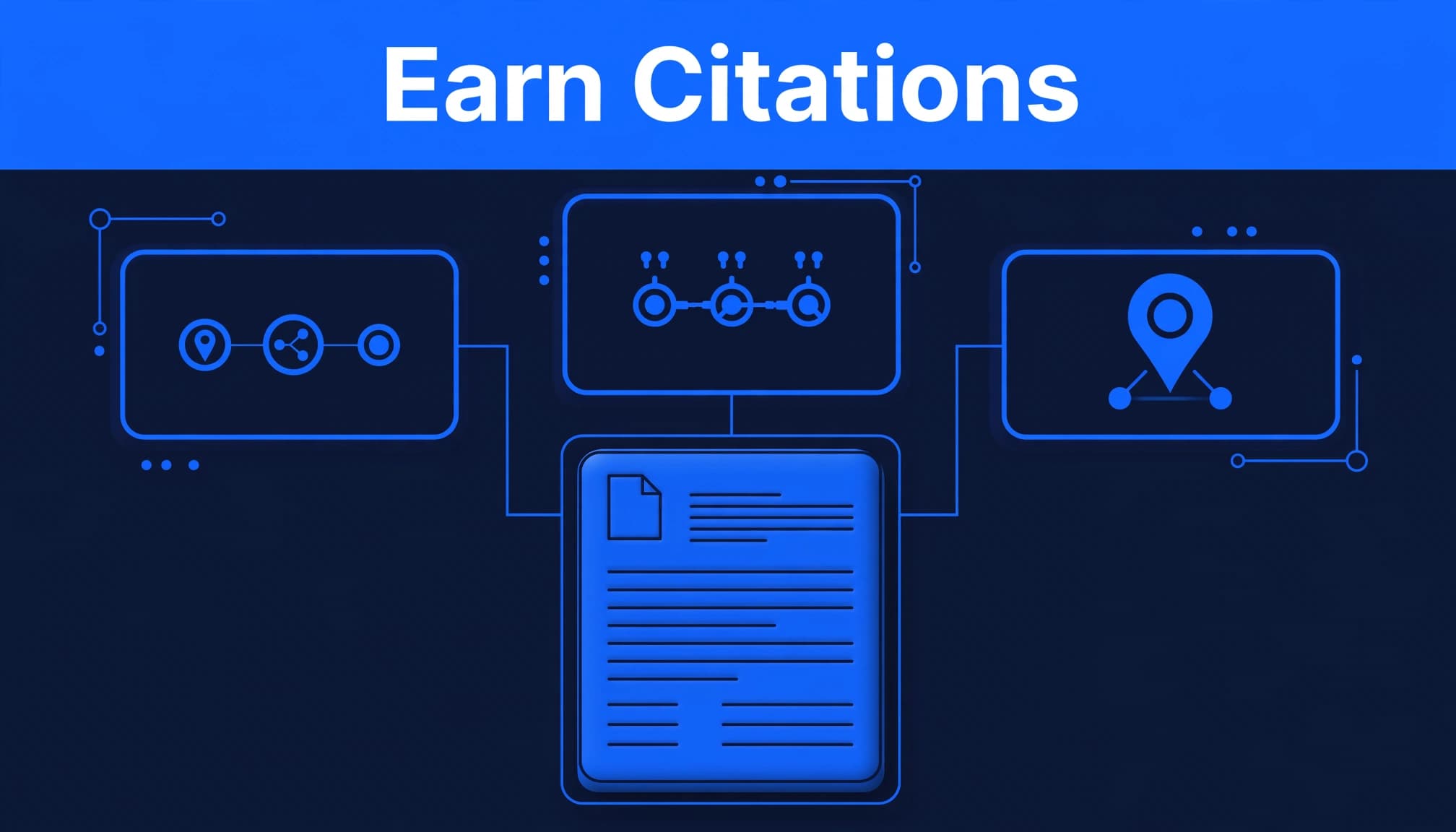
Original information gives an answer engine something specific to cite, while named entities give it a clearer source to trust and strengthen brand authority.
Plan each page around user intent and the next question a reader may ask. A guide about local SEO should explain profile setup, review management, measurement, and common errors, building topical authority instead of stopping at a definition. AI search platforms use this depth, along with clear entities and supporting evidence, to assess how well a page answers related needs. Google’s AI features guidance confirms that helpful, indexable content and standard search fundamentals still matter.
For a practical workflow, use this SEO to AEO and GEO guide to connect traditional organic search with answer engine optimization, generative AI, and broader digital marketing goals.
Strengthen local and brand visibility beyond the website
Keep your Google Business Profile accurate. Choose the best primary category, list relevant services, verify location details, publish useful photos, maintain current hours, and build reviews that describe real customer experiences. These details support brand visibility in local packs.
Your website should repeat the same core facts. Add suitable LocalBusiness or Organization structured data, include consistent contact details, and connect official profiles with sameAs references. Keep schema markup aligned with those details so authoritative directories, industry profiles, and trusted site mentions can help search engines confirm your entity.
Measure actions that happen without a website session, including calls, direction requests, store visits, branded searches, and qualified leads. This Google Business Profile optimization guide covers the local details that support those outcomes.
Build pages for fast answers and deeper intent
Answer the immediate question near the top, then earn the voluntary visit with proof, examples, templates, original opinions, tools, and clear next steps. Use comparison tables for evaluation, numbered instructions for how-to searches, local proof for service queries, and detailed specifications for commercial pages.
Format concise responses for AI Mode and voice search when the page topic supports those experiences. Hiding the answer to force a click weakens trust. A concise answer can win visibility, while useful depth gives readers a reason to continue and brings organic web traffic.
How to Measure Visibility When Clicks Are No Longer the Whole Story
Clicks still matter, but zero click searches no longer describe the full value of search. Measure impressions on the search engine results page, clicks, click through rates, average position, conversions, revenue, and organic web traffic. Then add answer visibility and brand-demand metrics to understand how digital marketing supports the customer journey.
Google now includes AI Overviews and AI Mode impressions in its generative AI performance report. This generative AI reporting belongs beside traditional SEO reporting, not in place of it. Search Console’s definitions for impressions, clicks, CTR, and position also help keep the baseline consistent. Segment results by featured snippets, knowledge panels, people also ask, and local packs when those surfaces affect performance.
Track citations, mentions, share of voice, and query coverage
Define each visibility metric before you collect it. Citation visibility is the percentage of monitored answers that cite your website. Brand mentions measure how often an answer names your company, even without linking to it. Share of voice compares your citations or mentions with those of competing brands across the same answer engines. Together, these signals can indicate growing brand authority.
Fan-out coverage measures how often your brand appears across related questions generated from one core topic. For example, a software company might monitor pricing, integrations, security, setup, and alternatives around one product category. Compare these patterns with your topical authority and content strategy to identify gaps across related search queries.
Track Google AI Overviews, Google AI Mode, ChatGPT Search, Perplexity, Bing Copilot, and Gemini when they matter to your audience. Review these AI search platforms alongside other AI search platforms, including conversational AI tools, as part of a consistent monitoring process. For each AI search platforms review, record the:
- Exact query or prompt.
- Date, market, device, and account context.
- Answer surface and platform.
- Cited sources and competing brands.
- Brand mentions status, such as linked, mentioned, or absent.
AI answers can change by prompt, location, device, account, and time. This is especially true across generative AI systems and voice search. One manual search is a sample, not a trend line. Use a consistent monthly query set, then review changes against the previous period. This AI search visibility audit checklist can help organize the process. Technical factors, including structured data and schema markup, may also affect eligibility.
Connect zero-click visibility to business outcomes
Compare CTR and conversion rates for queries that trigger AI Overviews or other answer features with similar queries that do not. Add branded-search lift, direct traffic, assisted conversions, phone calls, direction requests, qualified leads, and sales as supporting signals. This broader view supports answer engine optimization and traffic diversification beyond organic search.
A monthly dashboard should separate awareness, consideration, and action. Awareness includes mentions, citations, share of voice, and branded-search growth. Consideration includes engaged visits, return sessions, and assisted conversions. Action includes leads, calls, purchases, and revenue.
Add annotations for major SERP changes, campaign launches, algorithm updates, and tracking changes. A brand mention may influence a later sale, but you can’t claim that every mention caused a conversion. Use the combined pattern across several reporting periods to make stronger decisions. Correlation can guide investigation, but it doesn’t prove causation.
Common Mistakes Marketers Make With Zero-Click SEO
Zero click searches create new visibility signals, but they also invite poor decisions. A drop in click through rates doesn’t always mean your digital marketing campaign failed. Judge each search surface by the action and business result it can produce.
Mistaking visibility for traffic loss
A lower CTR after an AI Overviews result may reflect changing exposure, not lost organic web traffic. Searchers may have found an answer, used voice search, called your business, requested directions, or remembered your brand for later. Compare those outcomes before cutting content or changing a successful page.
Featured snippets, knowledge panels, and the people also ask feature can answer a question without producing a session. That may still strengthen brand visibility and support traffic diversification across the customer journey.
However, a decline deserves attention when commercial clicks, branded demand, leads, or revenue fall with it. The risk is higher when competitors replace your citations, local pack position, calls, or direction actions. Segment reports by intent instead of judging the entire site by one average CTR.
Separate informational queries from commercial, branded, local, and navigational searches. A lower CTR on “what is technical SEO” may be acceptable if impressions, brand authority, and brand searches rise. The same decline on “technical SEO consultant near me” needs a faster response.
Optimizing for a feature without serving the reader
Chasing a featured result can produce awkward question headings, keyword stuffing, copied summaries, unsupported claims, and oversized FAQ sections. Short answers help only when they lead to accurate, useful content. Google’s people-first content guidance favors pages created to satisfy readers, not pages built only for extraction.
Give each page a clear source trail, accurate facts, firsthand experience, accessible design, and fast performance. Add original examples or data that an AI system cannot find on every competing page. Build topical authority with useful comparisons, proof, tools, or next steps that support readers beyond the initial answer.
Generative AI can assist with outlines, but it shouldn’t replace subject knowledge or editorial judgment. AI search platforms can use strong source material, but they don’t replace human review. AI visibility doesn’t replace technical SEO, either. AI search platforms still need pages to be crawlable, indexable, internally linked, and eligible for a normal search snippet.
Use structured data where it accurately describes the page, then validate the related schema markup. Measure whether the implementation improves citation visibility instead of assuming eligibility guarantees results.
Prioritize opportunities in five steps:
- Identify valuable queries and their business intent.
- Inspect the current search engine results page and its answer surfaces.
- Choose the surface that fits the query.
- Improve the source page with evidence and useful depth.
- Measure brand mentions, citations, clicks, leads, calls, and revenue.
Frequently Asked Questions
Zero-click searches can look simple in a report, but their business value depends on what happens after someone sees your brand. These answers clarify when visibility matters, when controls make sense, and how often to monitor AI search results.
Are zero-click searches bad for SEO?
Zero-click searches create a traffic risk when Google answers the query before someone reaches your website. However, they can also deliver visibility, citations, brand recognition, phone calls, direction requests, and later branded searches.
The effect depends on search intent and the outcome you measure. A definition may build awareness, while a local result can produce a call or store visit without a session. Click through rates help, but qualified actions and revenue provide a fuller view of performance. These signals can also influence the customer journey through later branded searches.
Can a website prevent its content from appearing in zero-click results?
Marketers can use search preview controls in some cases, including supported robots directives and meta tags. Google also provides controls for opting a property out of certain generative AI search features, but blocking them removes related impressions and visibility too.
Make the decision based on your business goals, content type, licensing concerns, and the likelihood that the result attracts qualified actions. A publisher protecting licensed material may choose differently from a local business that wants calls and directions.
Do I need a separate strategy for Google’s AI features?
There is no guaranteed shortcut that replaces strong technical and content SEO. Google says its AI features guidance does not require a separate SEO strategy for inclusion.
A focused AEO or GEO process can still improve results by clarifying answers, adding evidence, strengthening entity signals, and tracking citations and brand mentions. Treat it as an extension of sound SEO, not a separate foundation.
How often should marketers check AI search visibility?
Track a core set of important prompts monthly across Google and other AI search platforms. Run extra checks after major content updates, algorithm changes, product launches, or shifts in your market.
Include voice search prompts where they reflect customer behavior. Use the same prompts, locations, devices, and account settings whenever possible. Record dates, citations, mentions, competitors, and answer surfaces so each review creates a comparable record across AI search platforms.
Can small businesses compete in zero-click search?
Yes. Small businesses can target specific local and service questions, keep business information accurate, earn genuine reviews, and publish useful local proof such as project details or customer outcomes.
Narrow intent often matters more than broad coverage. A trusted plumber with clear service areas and firsthand experience can win a valuable local answer without competing for every general home improvement query.
Conclusion
Zero click searches change where demand is captured, not whether search still matters. A person may see your brand in AI Overviews, read an answer, call from a local result, or return later through a branded search. That exposure can support business growth, but it doesn’t replace the need to protect valuable website clicks and measure what happens after visibility.
Your reporting should connect search appearances with citations, mentions, branded demand, calls, directions, leads, and revenue. Citation visibility helps tie those signals to business outcomes. Keep watching impressions, clicks, and conversions, but judge search visibility by the full path between a search engine results page and a business outcome.
Start by auditing your site’s most important queries. Identify the answer surfaces that appear, then improve the pages and business profiles that support those results. Track visibility and outcomes over time to see whether exposure strengthens demand or simply removes a visit without producing value. Review these measures regularly, and adjust the pages and profiles that influence the results your audience sees.